

What is Recycled Asphalt Mixture Regeneration ?
Asphalt regeneration essentially refers to a technical process where Reclaimed Asphalt Pavement (RAP) is treated through a series of procedures, and then used to replace part or all of the new aggregates and virgin asphalt for paving new pavement layers.
RAP consists of the original stone materials (aggregates) and aged asphalt binders. Due to the volatilization of light oil components and oxidation, the aged asphalt becomes hardened and brittle, losing its adhesion and flexibility. The core of regeneration lies in restoring the performance of such aged asphalt through technical measures.
Common Recycling Methods
Regeneration Methods | Process Flow | Core Equipment | RAP Content Ratio | Characteristics | Application |
Plant-mixed Hot Recycling | Crushing & Screening, Heating & Mixing, Transportation & Paving | Forced batch mixing plant with independent RAP drying drum or drum mixing plant | 10%–30% (>50% by using asphalt recycling plant) | Rigorous quality control; equivalent to virgin one; short curing time; pavement temperature drops below 50℃ can open to traffic | pavement surface/base course |
Plant-mixed Cold Recycling | Crushing & Screening, Ambient-temperature Mixing, Paving and Compacting | In-situ Hot Recycling Machine Set | Up to 80%-100% | No heating required; low energy consumption & carbon emissions; curing period ≥ 3–7 days | Base course or subbase course |
In-situ Hot Recycling | Heating; Scarifying; Additives adding; Mixing; Paving and Compacting | Plant-mixed Cold Asphalt Recycling Equipment; Stabilized Soil Mixing Plant | Near 100% | 100% utilization of the original pavement materials, fast construction speed, short traffic interruption time, and no special curing required | Repair surface distresses of pavement (such as rutting, bleeding, and microcracks); Ineffective in addressing deep-seated structural damages of pavement |
In-situ Cold Recycling | Milling & Mixing; Paving & Shaping; Compacting & Curing | In-situ Cold Recycling Machine | 100% | Minimal material transportation costs and remarkable energy-saving effects; the longest curing period(>5–14 days) | Reconstruction of the road base course, with a new asphalt surface course to be paved on top |
Key Technology: Regenerant
The regenerant is the "soul" of hot recycling technology. It is a specially developed chemical agent, whose main functions are as follows:
●Replenishing light components: Supplementing the lost light oil fractions in aged and hardened asphalt.
●Softening and restoring: Reducing the viscosity of asphalt, and restoring its ductility and bonding performance.
●Anti-aging: Some high-performance regenerants also contain anti-aging ingredients to delay the secondary aging of asphalt.
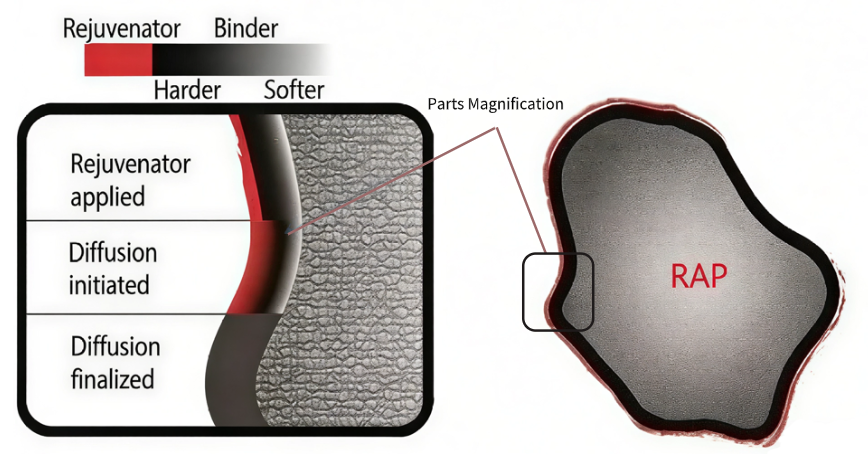
Diffusion Effect of Regenerant in Aged Materials
Asphalt Recycling Plant: Multi-mode Classification Solutions
The asphalt recycling plant adopts a physical method to achieve limited separation of aged aggregates and aged asphalt in RAP, enabling precise graded management of RAP. As a core piece of RAP asphalt aggregate recycling equipment, it significantly reduces the occurrence of pseudo-particle size and RAP material variability, effectively addressing and improving the key issues concerning RAP dosage and performance, thus truly realizing the optimal utilization of materials.
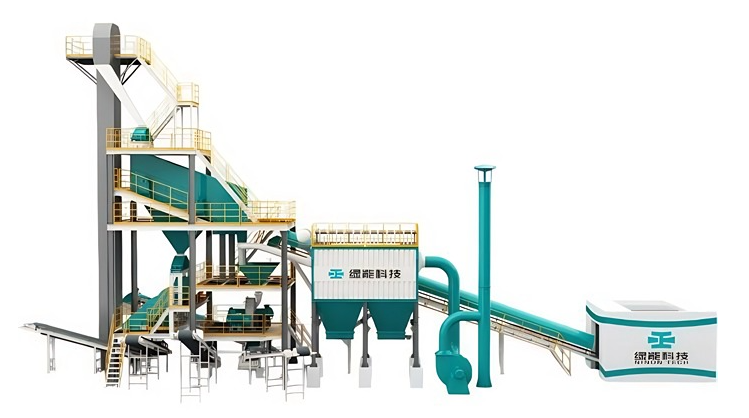
Asphalt Recycling Plant
This RAP asphalt aggregate recycling equipment can classify RAP into 2–5 fractions and stockpile them separately as required. The asphalt recycling plant is equipped with three classification modes to meet diverse application needs, which are:
(1) Simple classification without stripping
(2) Simple stripping with three fractions
(3) Fine stripping with five fractions
The particle size grading of the asphalt recycling plant is generally controlled as 0–3–5–12–16–22 (25) mm, with strict control over moisture content and material agglomeration— a key advantage that distinguishes this RAP asphalt aggregate recycling equipment from conventional models.
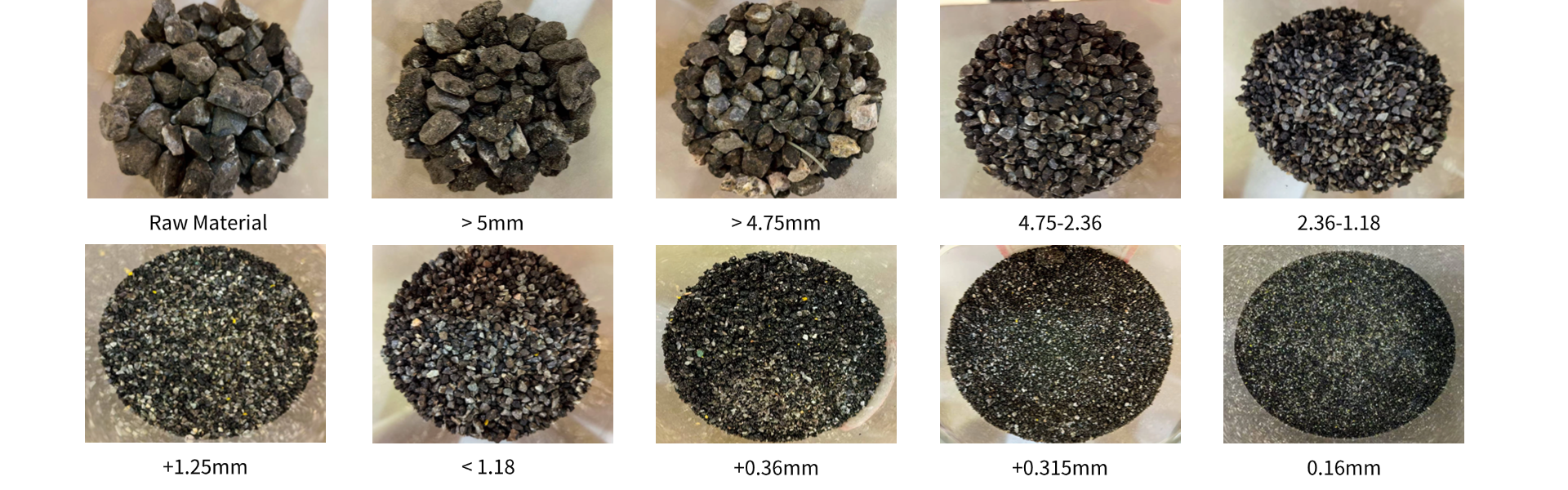
Samples of Reclaimed Asphalt
The fine fraction (0–3 mm or 0–5 mm) processed by the RAP asphalt aggregate recycling equipment can be used as asphalt mortar for repair projects or partial cold addition, as well as for asphalt extraction and separation. Moreover, the asphalt recycling plant can finely pulverize this fraction into asphalt powder for centrifugal extraction, and the processed powder can be further modified for application in new energy battery materials, expanding the value-added utilization scenarios of RAP.
Advantages
◆ Economic Benefits: Significantly reduce the costs of new materials (stone aggregates and asphalt) and cut down the total project cost.
◆Environmental Benefits: Reduce stone exploitation to protect natural resources; decrease land occupation and pollution caused by waste asphalt; lower energy consumption and greenhouse gas emissions.
◆ Social Benefits: Conform to the concepts of circular economy and sustainable development.