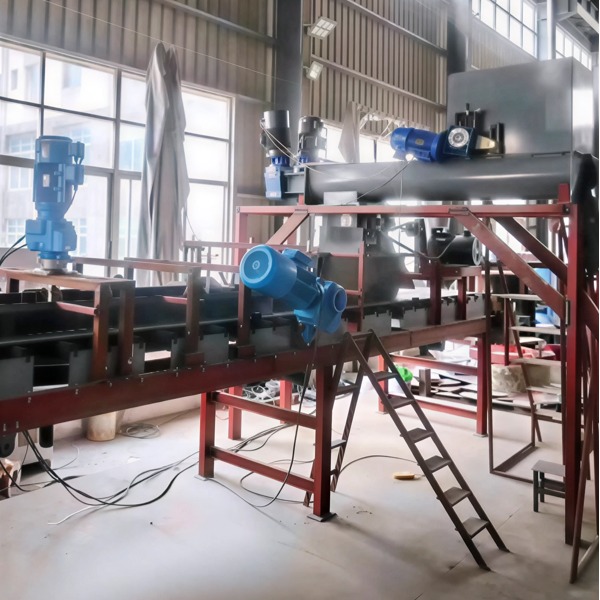
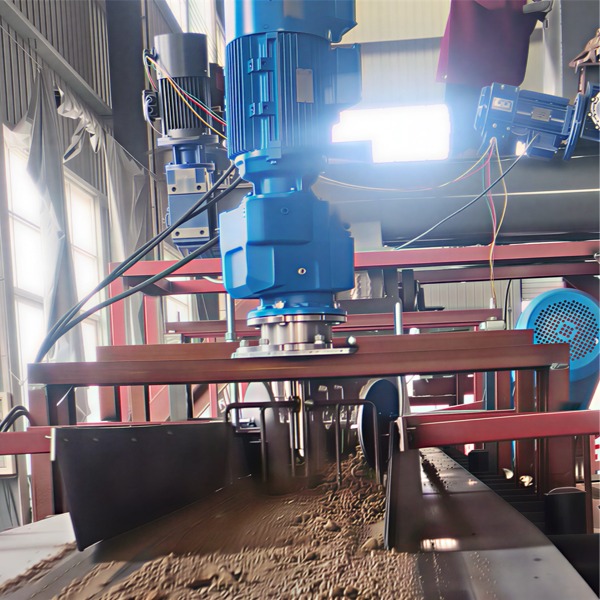
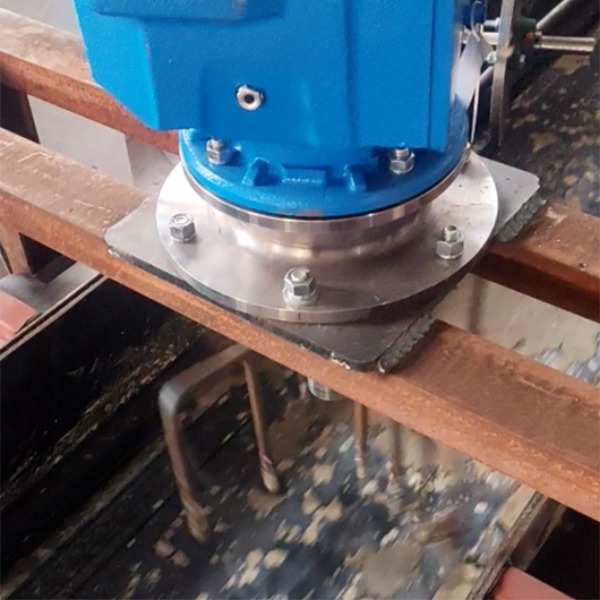
Wet Clay Waste Soil Solidification Equipment
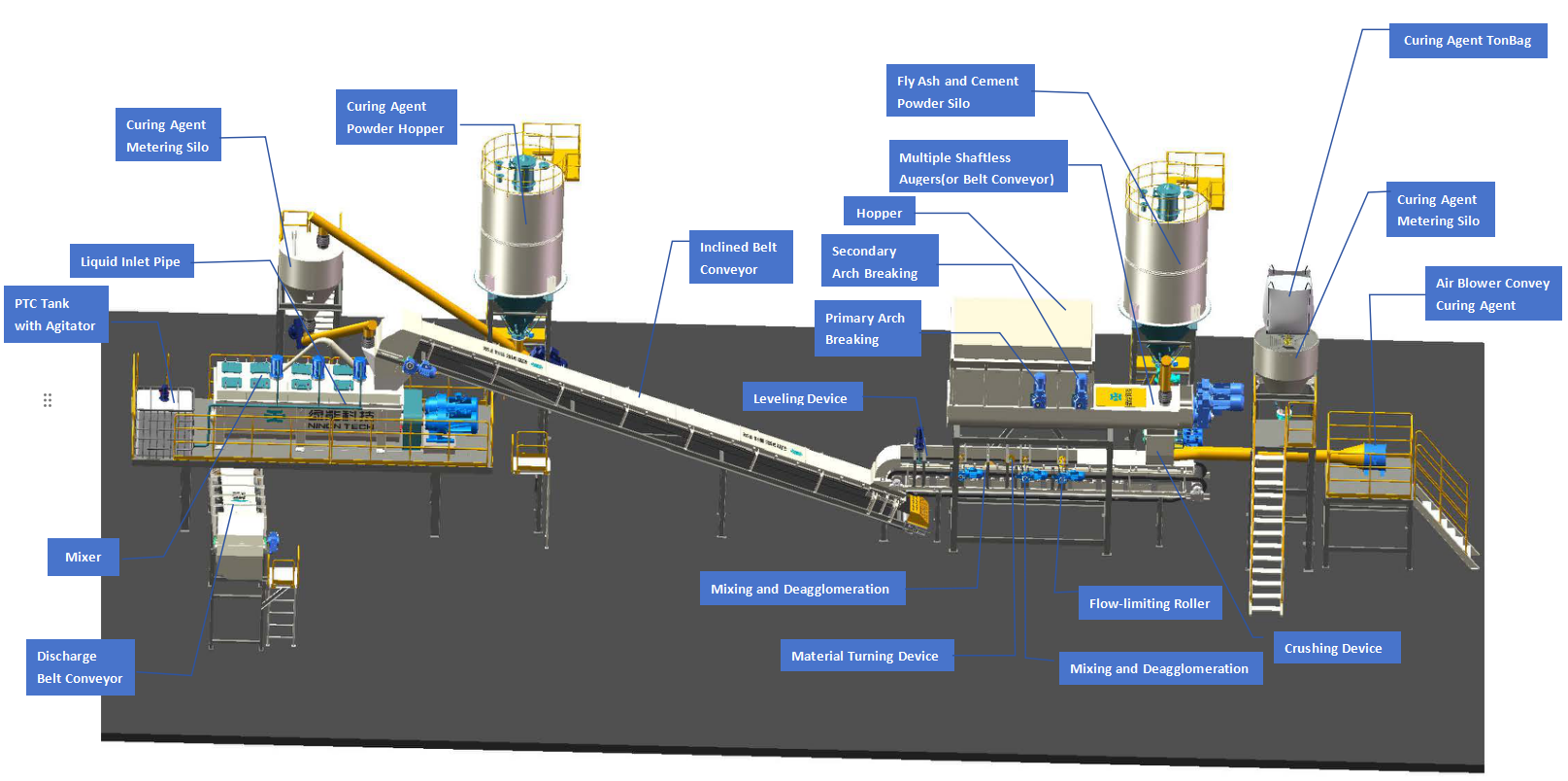
Key Features
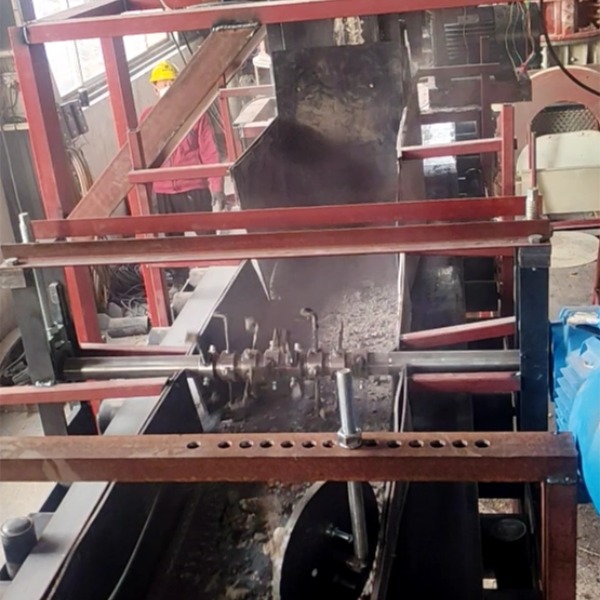
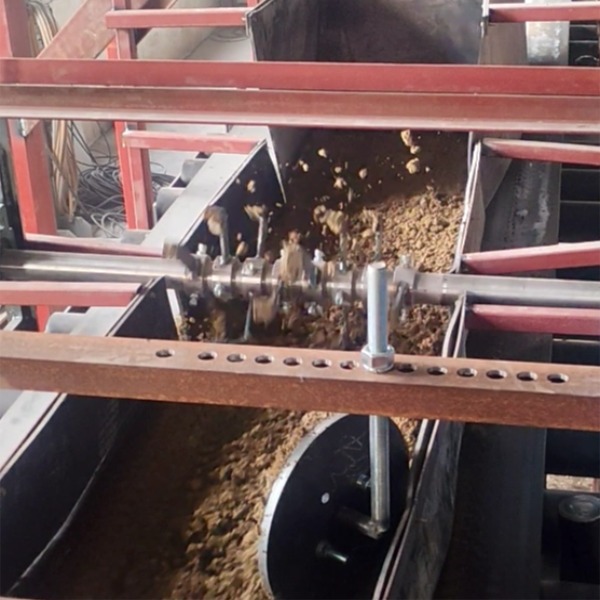
1. Special shearing device: a crusher in the wet soil remediation equipment equipped with staggered shearing blades, which achieves the shearing and crushing of waste soil through the staggered movement of the blades.
2. Synchronous mixing technology: a twin-shaft clay soil mixing machine is adopted to realize the synchronous mixing of waste soil and curing agent through the relative movement of the two mixing shafts of the clay soil mixing machine, ensuring that the curing agent can be evenly mixed into the waste soil and improving the mixing effect.
3. Wet dust suppression technology: the humidity of waste soil in the waste sludge solidification equipment is increased by means of spraying, sprinkling water, etc., to reduce dust emission.
4. Closed-type treatment technology: an integrated crushing and clay soil mixing machine collects and treats the generated dust through a negative pressure air extraction system.
5. Precision metering and control system: combined with an automatic control system, the wet soil remediation equipment realizes the accurate metering and mixing of materials such as waste soil, curing agent and water.
6. Real-time monitoring and feedback system: sensors installed on the clay soil mixing machine and waste sludge solidification equipment monitor the dosage of curing agent and mixing uniformity in real time; when the dosage or mixing effect deviates from the set values, the operating parameters of the wet soil remediation equipment are automatically adjusted.
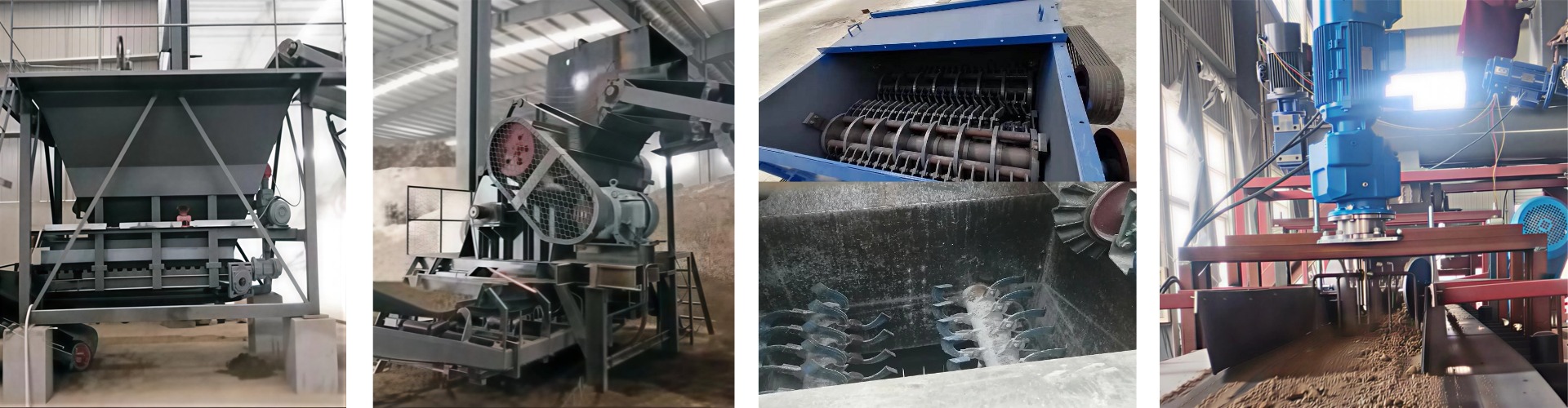
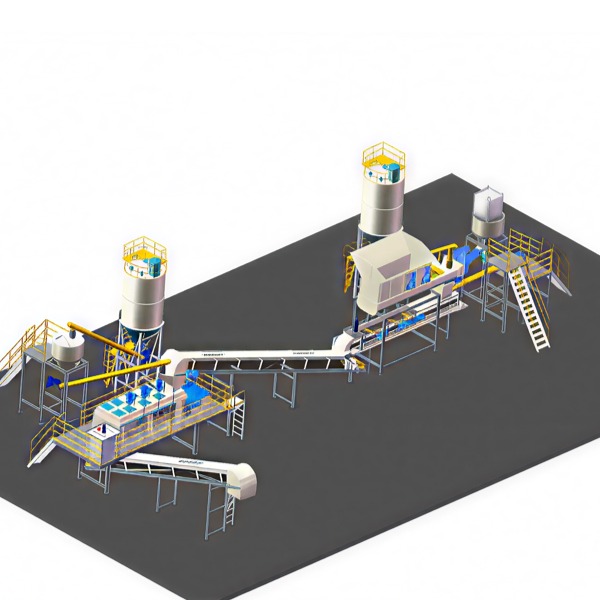
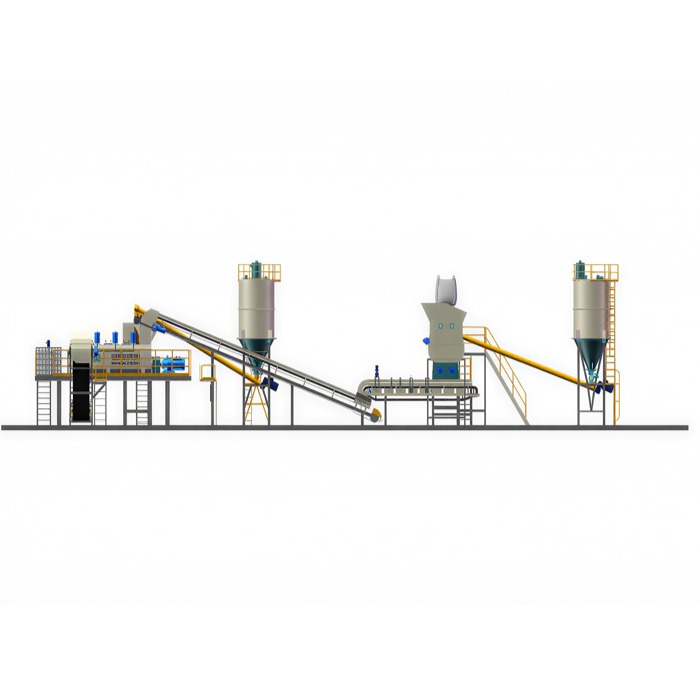
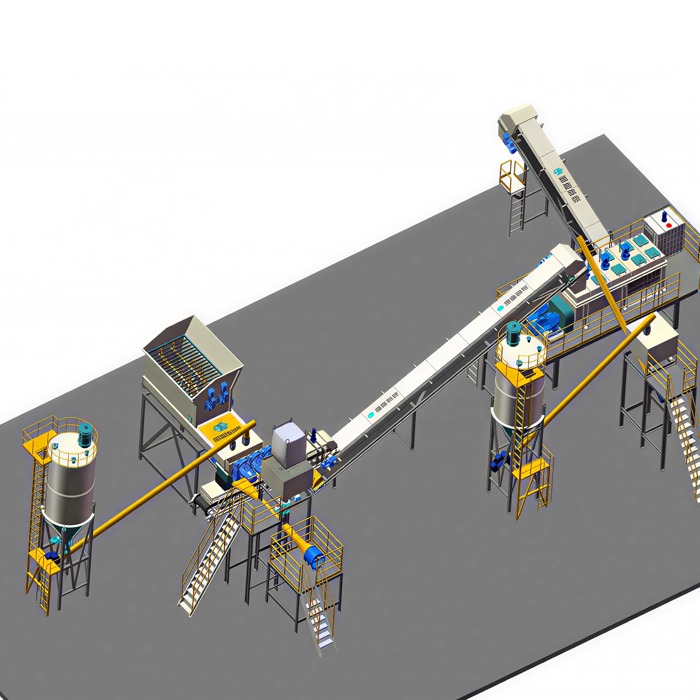
Main components of wet clay waste soil solidification equipment
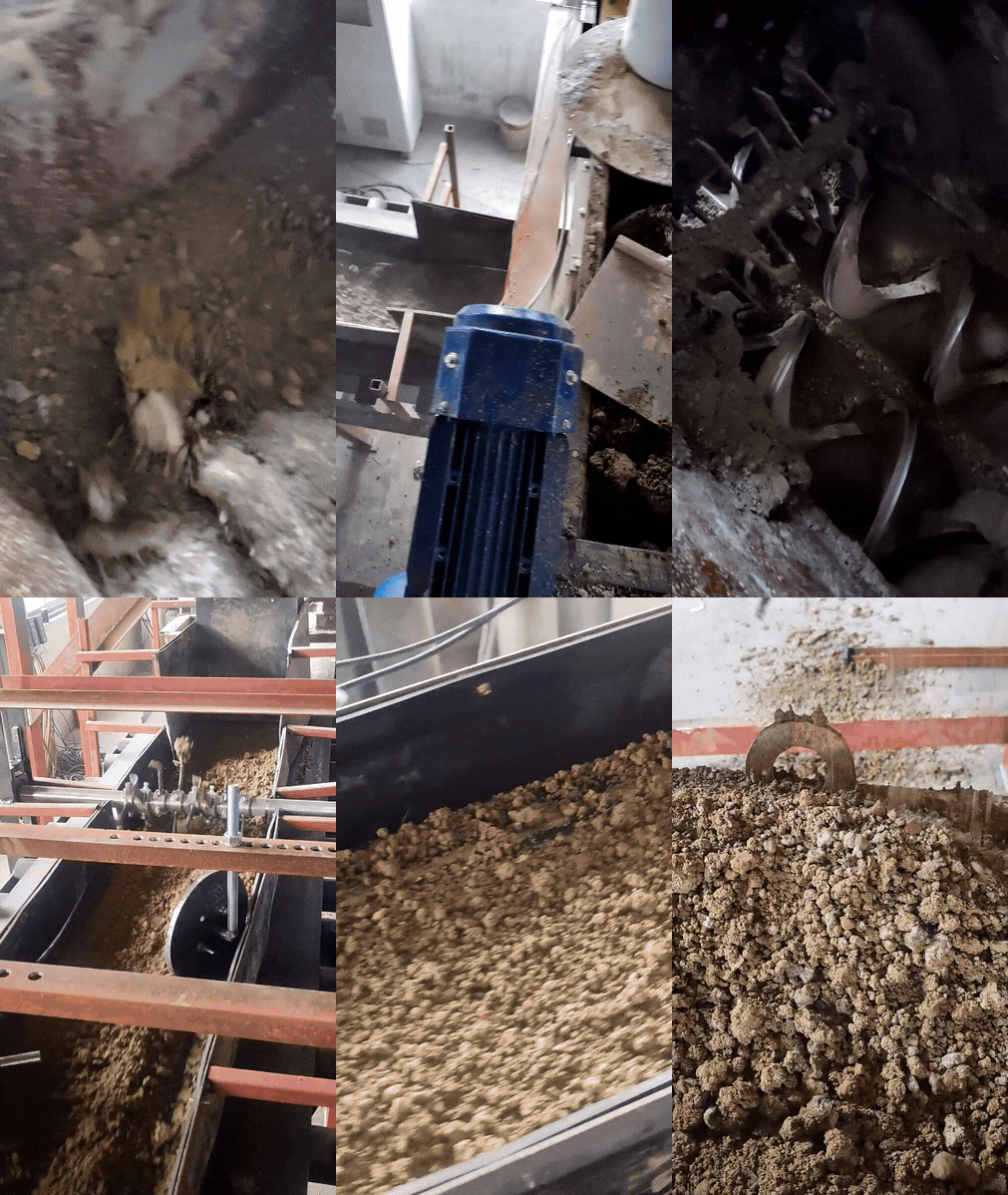
Process flow: Feeding → Crushing → Conveying → Metering and adding → Mixing → Discharging
Applicable Materials

1. This wet soil remediation equipment is mainly for muck with 30%-60% moisture content and plasticity index ≥25.
2. Curing agent mixing ratio is 5%±0.5% of waste soil weight;
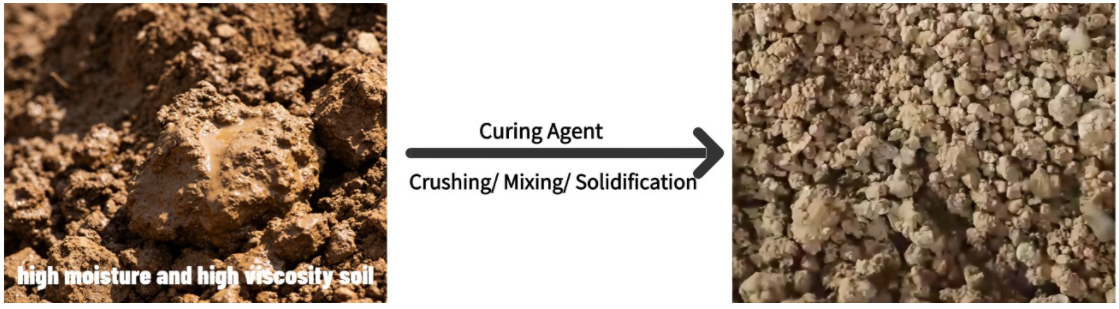
3. Crushed waste soil has particle size <20mm, and mixing uniformity reaches over 95% (minimum 90%).
Range of Configuration

1. Underground engineering field: Subgrade filling, underground structure cavity filling, soft soil foundation reinforcement, etc.
2. Municipal and road engineering field: Road curb backfilling, pipe trench backfilling, overpass foundation filling, etc.
3. Water conservancy and environmental engineering field: Silt treatment, river regulation, farmland improvement, fat trench backfilling, etc.
4. Special engineering scenarios: Temporary settlement site hardening, emergency access rush repair, etc.
Yes, we provide fully customized equipment solutions based on client requirements, including size specifications, functional configurations, and capacity design to meet the unique demands of each project.
Yes, we provide comprehensive installation and commissioning support, either on-site or through remote technical assistance, to ensure optimal equipment performance.
The standard warranty period for most core equipment is generally 12 months, with exact terms defined in the purchase agreement.
First, customers should provide information on the type and hardness of local raw materials (e.g., granite, river pebbles, limestone etc.). Next, customers need to specify the desired finished product requirements, including fineness modulus and particle shape. Then, based on the required production capacity (e.g., tons per hour), different models can be recommended—for example, a shaping sand making machine for higher output, or equipment tailored for ordinary or specialized mortar production depending on the application. Finally, customers can select and customize the equipment based on site conditions, installation environment, energy consumption, maintenance costs, and overall project budget.
Our equipment complies with international standards, including ISO 9001 quality management certification,ISO 14001 – Environmental Management System. Third-party inspections, such as SGS reports, can be arranged based on specific customer requirements.
We accept multiple payment methods, including T/T, L/C, and others as agreed upon in the contract. The Incoterms accepted are generally FOB,CFR,CIF,DAP,and also depending on the terms specified in the contract.