

Tailings are solid wastes remaining after the mineral processing of ores, which are usually stored in the form of slurry or dry piles. In mining production, the stockpiling of large quantities of tailings not only occupies vast tracts of land, but also risks contaminating soil, water sources and the atmosphere due to the harmful substances such as heavy metals and chemical reagents they contain.
What's more, potential safety hazards like dam failures may even arise. As a matter of fact, however, tailings are not genuine "wastes"—they often contain a variety of reusable components. Through processes such as crusher crushing, screening and sand making, tailings can be recycled and add value in fields including construction materials and chemical engineering.
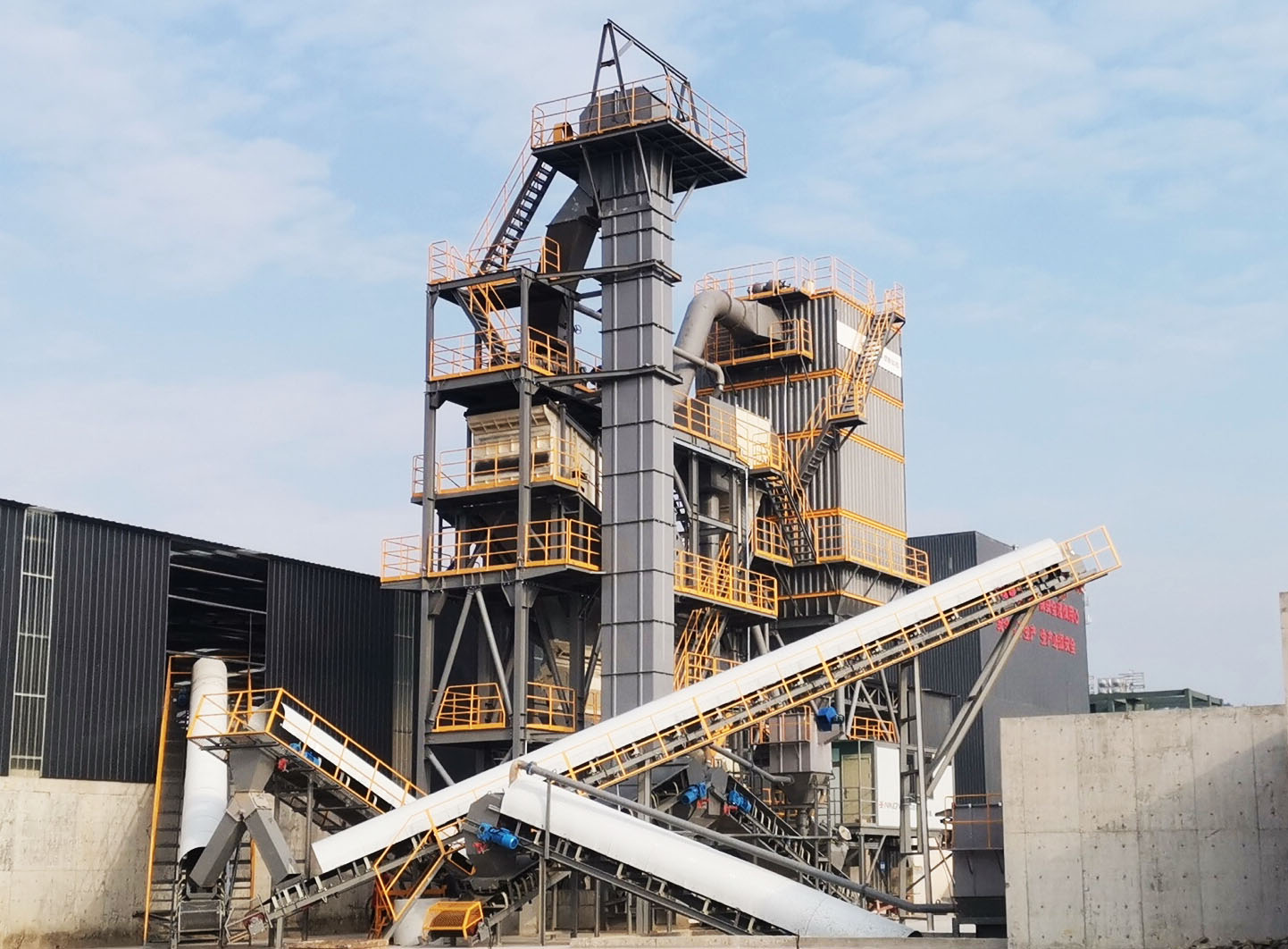
Crushing Process of Crushers for Sand Production
When the particle size of tailings raw material is relatively large, a three-stage crushing process is essential for the sand making plant to produce qualified aggregates. This process relies on different types of crushers to gradually reduce tailings particle size and shape finished sand.
In the primary crushing stage of the sand making plant, if raw ore particle size exceeds 30 cm, a jaw crusher is adopted for preliminary crushing. The crushed materials are screened by a vibrating screen: those meeting secondary crushing feeding requirements are conveyed to the next stage for crusher crushing via belts, while unqualified ones are returned to the jaw crusher for re-crushing, ensuring stable feeding for subsequent processes.
For the secondary crushing stage of the sand making plant, the sand making plant selects crushers based on tailings' Mohs hardness. High-hardness tailings use a cone crusher for secondary and fine crushing, while impact crushers are preferred for low-hardness tailings, optimizing crushing efficiency and crusher lifespan.
The final sand making stage of the sand making plant uses a vertical shaft impact crusher (VSI crusher), a core crusher with 30–500 tons/hour capacity, suitable for feed particle sizes below 3–5 cm. The VSI crusher crushes and shapes tailings; combined with vibrating screen classification, materials are graded into coarse, medium, and fine sand. Unqualified materials return to the crusher for reprocessing, guaranteeing stable finished product quality for the sand making plant.
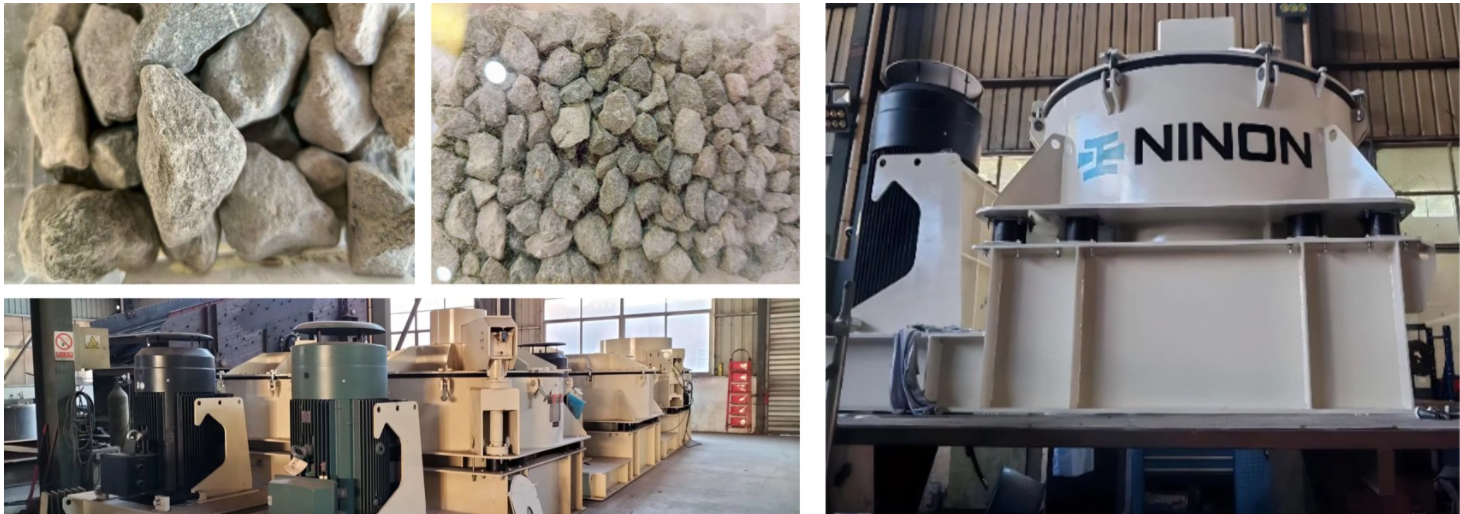
Application of Recycled Tailings
After being processed through crushing and sand-making procedures by sand making plant, tailings can be widely applied in multiple fields, with specific uses as follows:
(1) Construction Materials
◆ Concrete Aggregates: Processed by crushers into coarse, medium and fine sand for concrete mixing, serving as a substitute for natural sand.
◆ Dry-mixed Mortar: Used as fine aggregates in masonry mortar, plastering mortar, floor mortar, etc.
◆ Bricks and Blocks: Mixed with cement, fly ash and other materials to produce eco-friendly bricks, hollow blocks and similar products.
◆ Road Base Materials: Applied in road subgrades, stabilized base courses, asphalt concrete aggregates, etc.
(2) Engineering Backfilling & Other Applications
◆ Backfilling of Mine Goafs: Used for filling mined-out areas to reduce ground subsidence and improve mining area safety.
◆ Foundation Reinforcement: Serves as backfill material for foundations to enhance foundation bearing capacity.
◆ Cement Admixture: Some tailings containing silico-aluminum components can replace part of the cement raw materials.
◆ Raw Materials for Ceramics and Glass: Certain types of tailings are applicable for manufacturing ceramic glazes and glass products.