

With three core advantages—energy conservation & carbon reduction, cost reduction & efficiency improvement, and reduced reliance on virgin resources—RAP reclamation and reuse has become the core direction for the green transformation of asphalt pavement engineering. Technological breakthroughs in RAP asphalt aggregate recycling equipment, have further pushed the RAP utilization rate to new heights, restructuring the resource circulation system for pavement construction.
Its core value lies in subverting the traditional "resource-intensive" engineering model, realizing dual optimization of energy consumption and project costs. Producing new asphalt mixtures consumes substantial energy: mining virgin aggregates requires quarrying mountains, while heating aggregates and asphalt necessitates burning heavy oil or natural gas, with per-ton energy consumption reaching 80-100MJ. In contrast, RAP contains 3%-6% aged asphalt and over 90% aggregates, which can directly replace new materials after processing by asphalt recycling plant. Data shows that per ton of RAP utilized reduces 0.9 tons of virgin aggregate mining, saves 0.05 tons of asphalt, and cuts heating energy by 30%-40%—equivalent to 0.3 tons less carbon emissions. The asphalt recycling plant also lowers costs significantly: RAP from pavement milling, after preliminary on-site crushing and processing by RAP asphalt aggregate recycling equipment, has transportation and processing costs only 1/3 of new aggregates and 1/10 of new asphalt. A 30% RAP mixing ratio reduces per-ton mixture cost by 8%-12%, saving millions of RMB for one-million-square-meter pavement renovation projects.
Large-scale RAP reuse relies critically on RAP asphalt aggregate recycling equipment. The asphalt recycling plant has completely addressed traditional recycling equipment’s pain points—low mixing ratio and uneven blending—becoming the industry’s mainstream. Traditional external-type equipment limits RAP ratio to no more than 20% due to temperature control difficulties and insufficient mixing time, often causing uneven fusion of aged asphalt and new materials. In contrast, this RAP asphalt aggregate recycling equipment achieves efficient utilization via "integrated design + precise temperature control": it integrates crushing, screening, heating and blending into one production line. RAP is processed by a dedicated crushing system, screened into different particle sizes, then heated to 120-140℃ via gradient heating (avoiding aged asphalt overheating) before mixing with new materials heated to 160-180℃.
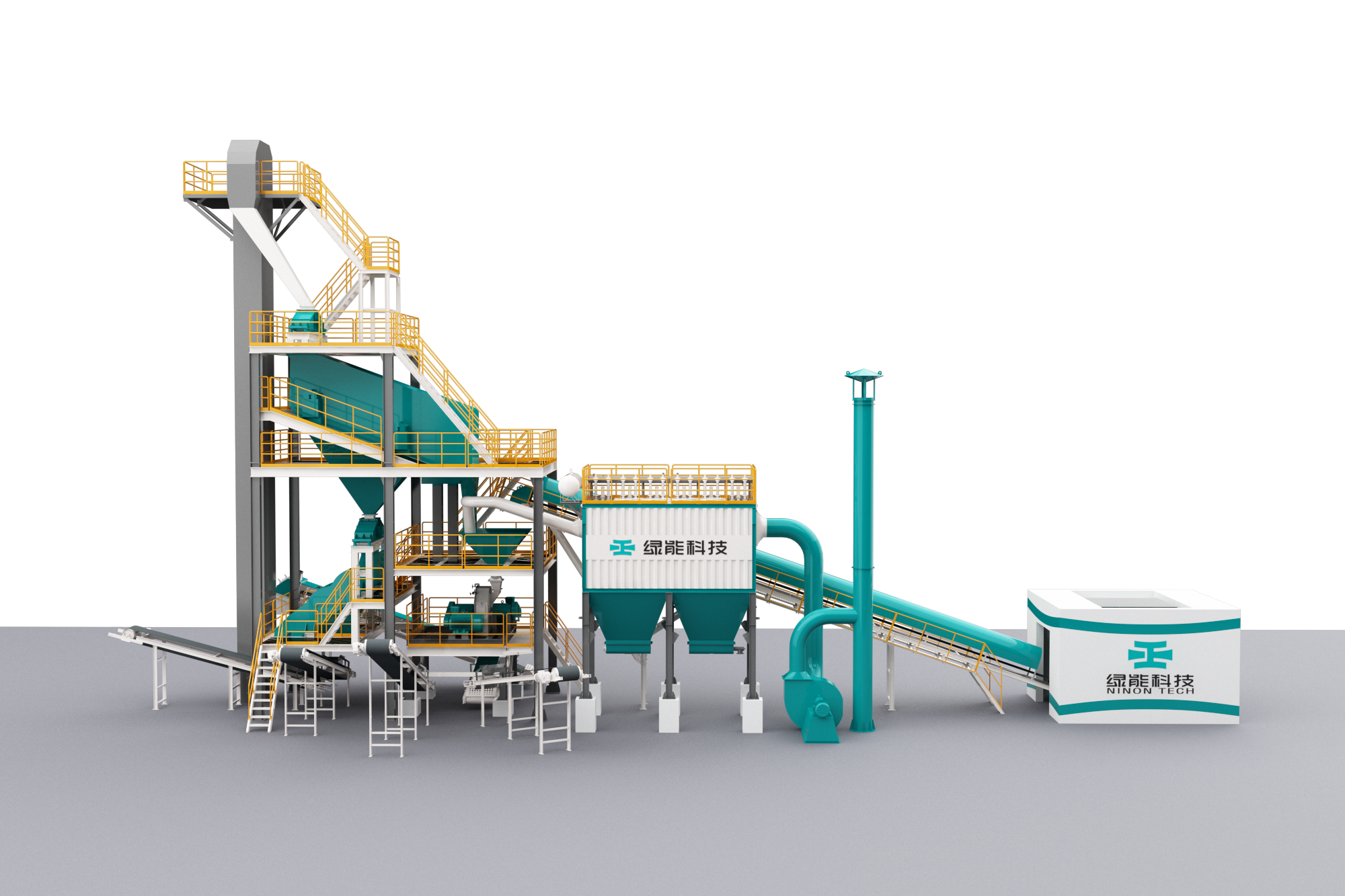
Mainstream asphalt recycling plant stabilizes RAP ratio at over 50%, with advanced models reaching 70%. Its recycled mixtures fully meet key indicators like Marshall stability and rutting resistance for expressway base courses and municipal road surface courses. In practice, scientific plans are essential. First, strengthen RAP source control: layered milling and timely processing by RAP asphalt aggregate recycling equipment to avoid impurities and ensure purity. Second, adjust RAP ratio by project section: 30%-40% for high-demand expressway surface courses, 50%-60% for base courses or municipal roads.
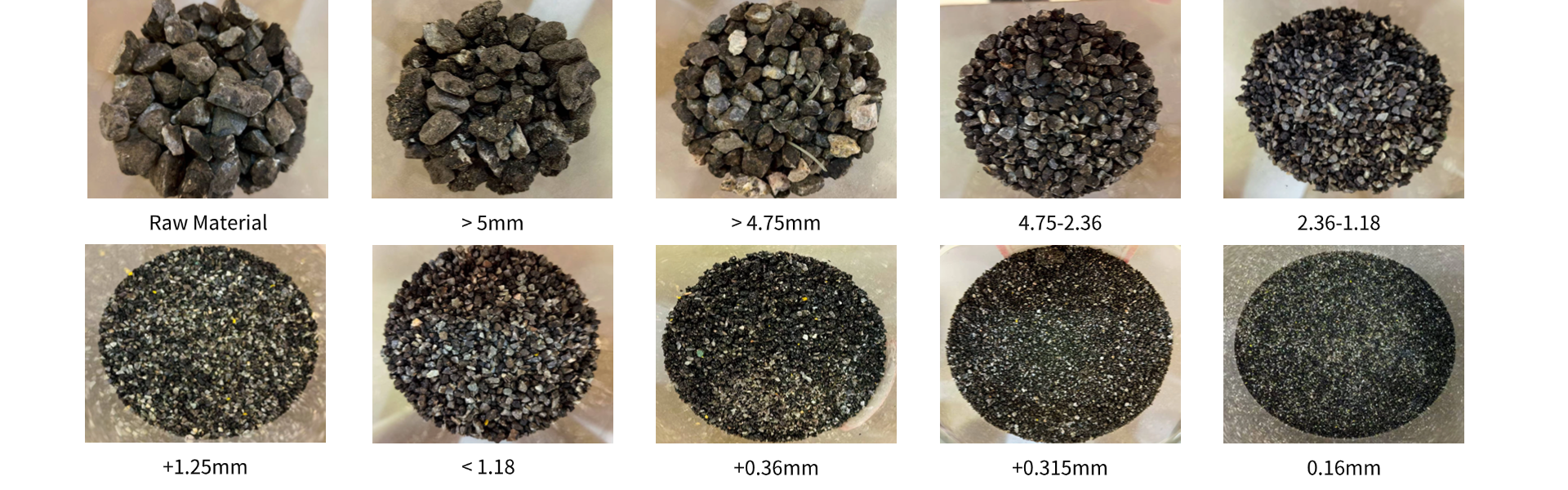
Samples of Reclaimed Asphalt
Finally, establish a comprehensive quality inspection system. RAP asphalt aggregate recycling equipment supports testing aggregate gradation and aged asphalt content during processing; production stage monitors temperature and mixing uniformity; post-construction tests compaction degree and flatness. Full-process control avoids increased maintenance costs from quality issues.
RAP reuse is both a technological innovation and circular economy practice. Popularizing asphalt recycling plant will drive the industry's shift from virgin material reliance to resource circulation.