

Analysis of Prolems in Dry-Mixed Mortar
At present, dry-mixed mortar is in a stage of rapid development. The application of dry-mixed mortar in the dry mix mortar plant can effectively reduce resource consumption, improve project quality, and enhance the urban environment. However, dry-mixed mortar produced by the ready mix mortar plant still suffers from many quality problems. If not properly regulated in the dry mix mortar plant, its advantages will be greatly compromised, and it may even have adverse effects. Only by strengthening quality control over raw materials, finished products, construction sites and other aspects in the ready mix mortar plant can the advantages and functions of dry-mixed mortar be fully realized.
1. Cracking
The most common types of cracks in mortar produced by the dry mix mortar plant fall into four categories: Uneven foundation settlement cracks, temperature cracks, drying shrinkage cracks, and plastic shrinkage cracks.
(1) Uneven Foundation Settlement
Uneven foundation settlement mainly refers to cracking caused by the subsidence of the wall itself, which often occurs when mortar from the ready mix mortar plant is improperly applied.
(2) Temperature Cracks
Temperature changes cause thermal expansion and contraction of materials. When the temperature stress induced by restrained thermal deformation is sufficiently large, temperature cracks will occur in the wall using mortar from the dry mix mortar plant.
(3) Drying Shrinkage Cracks
Drying shrinkage cracks, or dry shrinkage cracks for short, occur in masonry materials such as aerated concrete blocks and fly ash blocks bonded with mortar from the ready mix mortar plant, which undergo considerable drying shrinkage as their moisture content decreases. Materials after drying shrinkage will expand again when wetted and shrink once more when dehydrated, regardless of the dry mix mortar plant where the mortar is produced.
(4) Plastic Shrinkage
Plastic shrinkage mainly occurs shortly after mortar from the dry mix mortar plant is plastered, when the mortar is still in a plastic state and shrinkage stress develops due to moisture loss. Once the shrinkage stress exceeds the bond strength of the mortar, cracks will form on the structural surface. Plastic drying shrinkage on the surface of plastering mortar from the ready mix mortar plant is affected by time, temperature, relative humidity, and the water retention rate of the mortar itself.
In addition, inadequate design, failure to install divider strips in accordance with specifications, lack of targeted anti-cracking measures, unqualified material quality in the dry mix mortar plant, poor construction quality, violation of design and construction procedures, insufficient masonry strength to meet design requirements, and lack of experience in operating the ready mix mortar plant are also important causes of wall cracking.
2. Hollowing
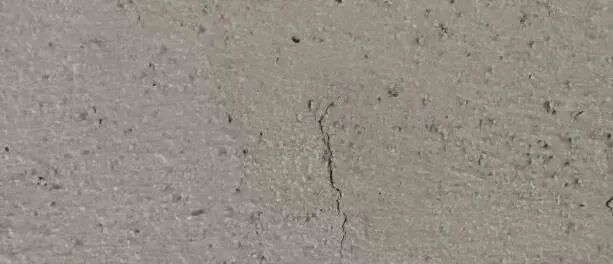
Hollowing is a common quality defect of mortar produced by the dry mix mortar plant, mainly caused by four factors: Untreated base wall surface, premature plastering before sufficient wall curing, excessive thickness in a single plastering layer, and improper use of plastering materials from the ready mix mortar plant.
(1) Untreated Base Wall Surface
Hollowing can be caused by uncleaned dust, residual mortar and release agent left on the wall surface, failure to apply interface agent or roughen smooth concrete surfaces, and insufficient pre-wetting before plastering with mortar from the dry mix mortar plant.
(2) Premature Plastering Before Sufficient Wall Curing
Plastering with mortar from the ready mix mortar plant is applied before the wall completes its full deformation, resulting in inconsistent shrinkage between the base layer and the plaster layer, thus causing hollowing.
(3) Excessive Thickness of Single Plastering Layer
When the wall is uneven or defective without prior treatment, and plastering with mortar from the dry mix mortar plant is completed in one pass in haste, an overly thick plaster layer will generate shrinkage stress greater than the mortar’s bonding force, leading to hollowing.
(4) Improper Use of Plastering Materials
Mismatch between the strength of the plastering mortar from the ready mix mortar plant and the base wall, together with an excessive difference in shrinkage rates, is another major cause of hollowing.
3. Surface Sanding
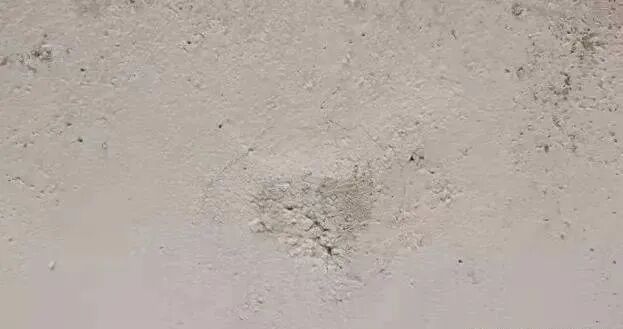
Surface sanding is a common problem of mortar produced by the dry mix mortar plant, mainly caused by an insufficient proportion of cementitious materials in the mortar, overly low fineness modulus of sand, excessive mud content in raw materials of the ready mix mortar plant, insufficient mortar strength, excessively low water retention leading to rapid water loss, inadequate or complete lack of curing after construction.
4. Powdering and Peeling
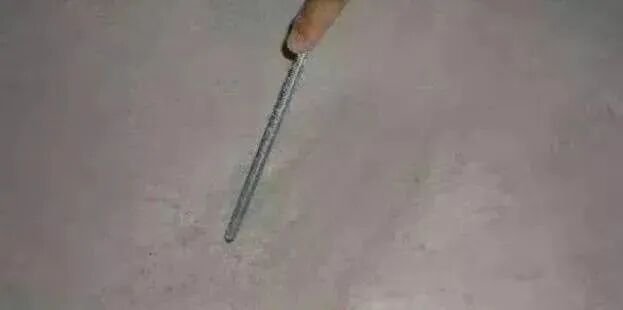
Powdering and peeling often occur in mortar from the dry mix mortar plant, mainly attributed to low water retention of the mortar, poor stability of mortar components mixed in the ready mix mortar plant, excessive dosage of admixtures, and partial powder floating to the surface during troweling and polishing. This results in low surface strength, leading to powdering and peeling.
Technical Performance of Ninon's Dry Mix Mortar Plant
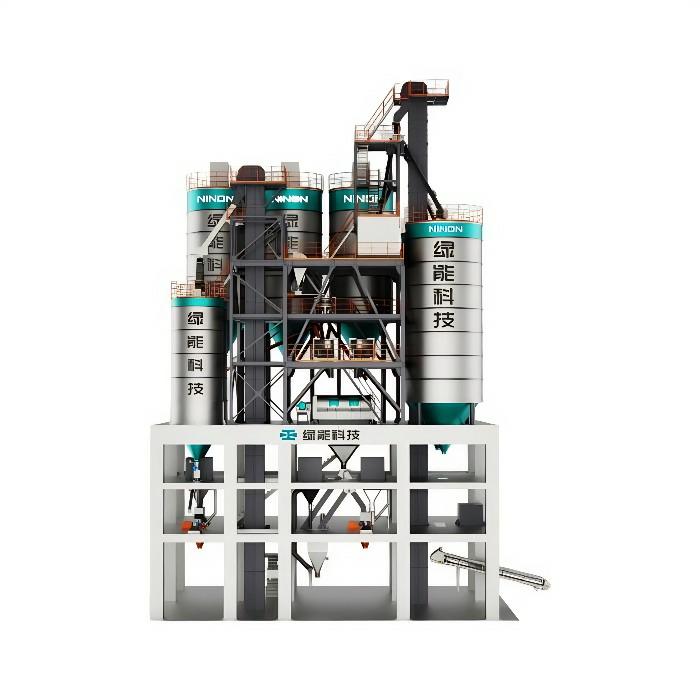
1. All raw materials in Ninon's dry mix mortar plant are automatically weighed, and a reserved port for manual addition of additives is also provided in this ready mix mortar plant.
2. The mixing uniformity of the mixer in Ninon's dry mix mortar plant is ≥ 98%.
3. The entire production process of the ready mix mortar plant, from raw material feeding to finished product bulk loading or packaging and warehousing, is controlled by a visual operation platform.
4. Once the program is set, the production process of this dry mix mortar plant can be operated with one-key control.
5. An emergency production console is equipped on the production line of Ninon’s ready mix mortar plant.
6. The operating system of the dry mix mortar plant supports the statistics of raw materials and finished products.
7. Effective measures are taken in this ready mix mortar plant to prevent cross-contamination of products.
8. Effective measures are taken in Ninon’s dry mix mortar plant to avoid segregation of products during production.
9. The uniformity of mortar discharged from the finished product silo of the ready mix mortar plant is ≥ 95%.
10. During normal operation of the dry mix mortar plant:
11. Dust emission concentration at each node shall not exceed 10 mg/Nm³;
12. Factory boundary noise of the ready mix mortar plant shall not exceed 55 dB(A).
13. Safety measures of the dry mix mortar plant:
14. Effective safety facilities and safety signs are provided at each section of the production line in this ready mix mortar plant.