

In the glass manufacturing industry, the quality of glass sand directly determines the quality and performance of glass products. As the primary raw material for glass sand, the purification process of quartz sand is critically important. A rational and highly efficient purification process can not only remove impurities from quartz sand and improve the purity and quality of glass sand, but also reduce production costs and enhance the enterprise's market competitiveness.
Key Purification Process for Glass Sand Production Line
● Crushing and Screening
Crushing is the first step in the purification process, aiming to reduce large quartz sand raw materials into an appropriate particle size for subsequent processing.
Jaw crushers, cone crushers and other equipment are usually adopted for multi-stage crushing to gradually reduce the particle size of quartz sand.
The crushed quartz sand is then screened by vibrating screens, circular vibrating screens and other screening equipment to separate out particles that do not meet the particle size requirements, so as to obtain uniformly sized quartz sand particles.
An appropriate particle size helps improve the efficiency and effect of the subsequent purification process, while also meeting the particle size requirements of glass sand for glass production.
● Scrubbing Process
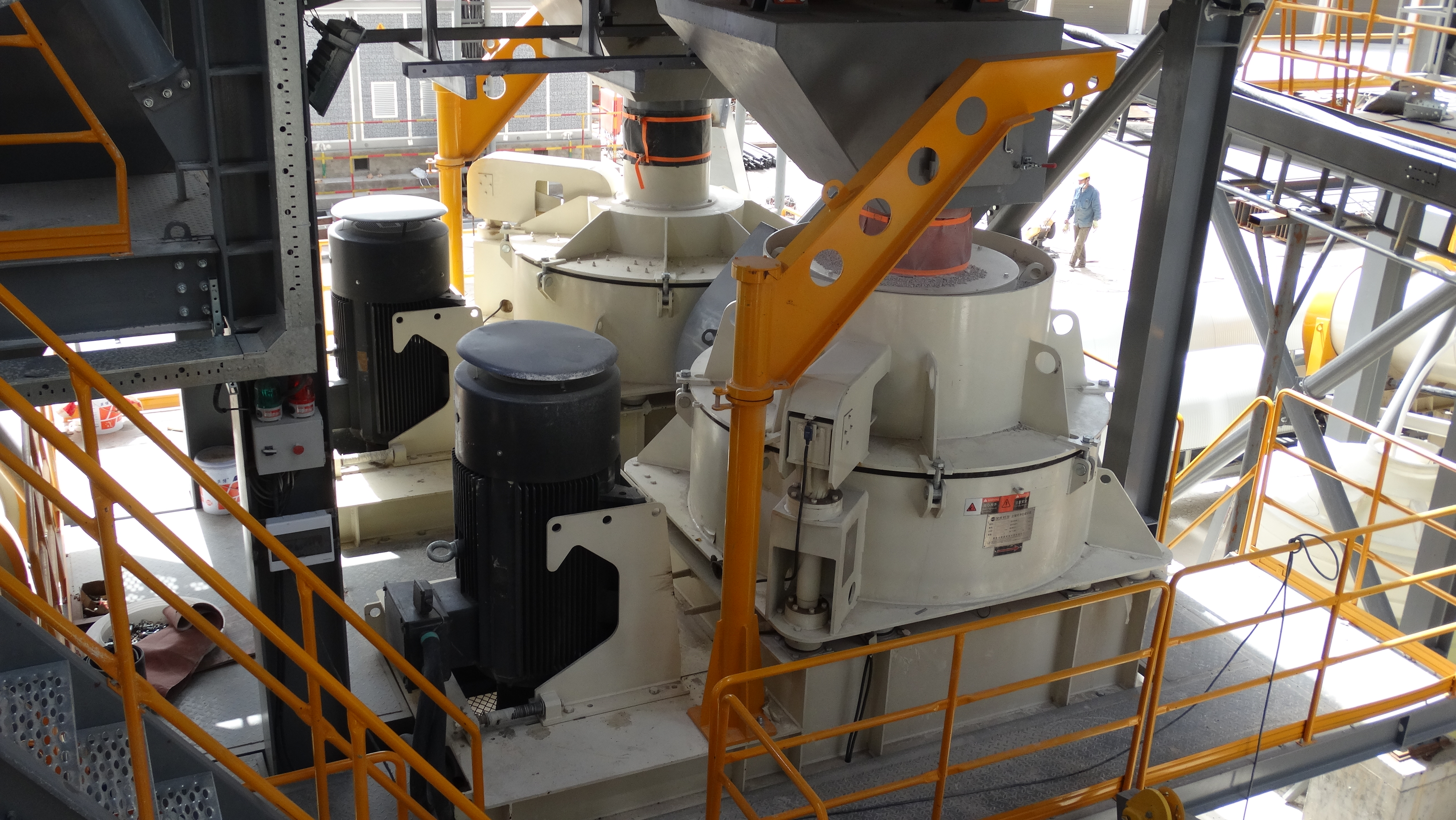
Scrubbing removes clay minerals and other contaminants from the surface of quartz sand through the combined action of mechanical force and chemical reagents. During scrubbing, quartz sand particles rub against the mixing components of scrubbing equipment, while an appropriate amount of dispersant is added to separate impurities such as clay minerals from the quartz surface and disperse them into water. Common scrubbing equipment includes attrition scrubbers and rod mill scrubbers. The scrubbing process can effectively remove surface impurities and improve the purity of quartz sand.
● Magnetic Separation Process
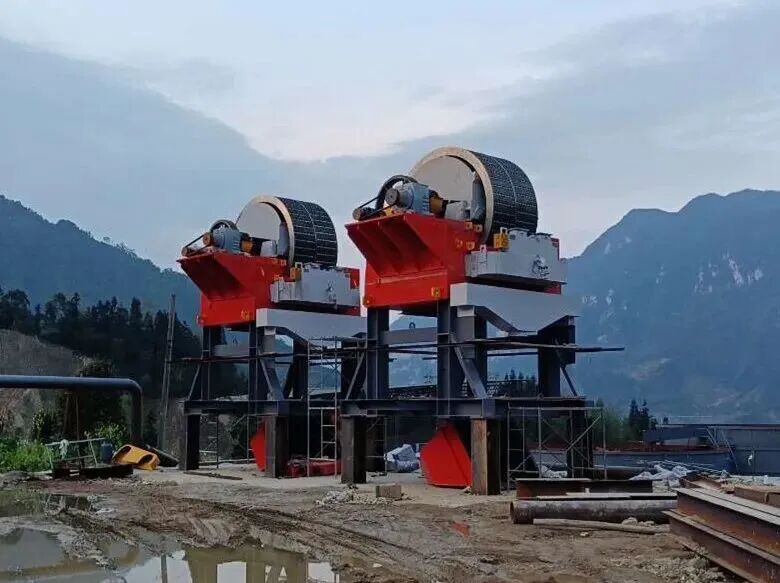
Magnetic separation is a purification method that separates magnetic impurities by utilizing the differences in magnetic properties among various minerals in quartz sand. Impurities in quartz sand such as iron oxides and mica generally exhibit certain magnetism, while quartz itself is essentially non-magnetic. Under the effect of a magnetic field, magnetic impurities are adsorbed onto the magnetic poles of magnetic separation equipment—including permanent magnetic drum separators, high-gradient magnetic separators, etc.—thereby separating them from quartz sand. The magnetic separation process can effectively reduce the iron content in quartz sand and improve the whiteness and transparency of glass sand.
● Flotation Process
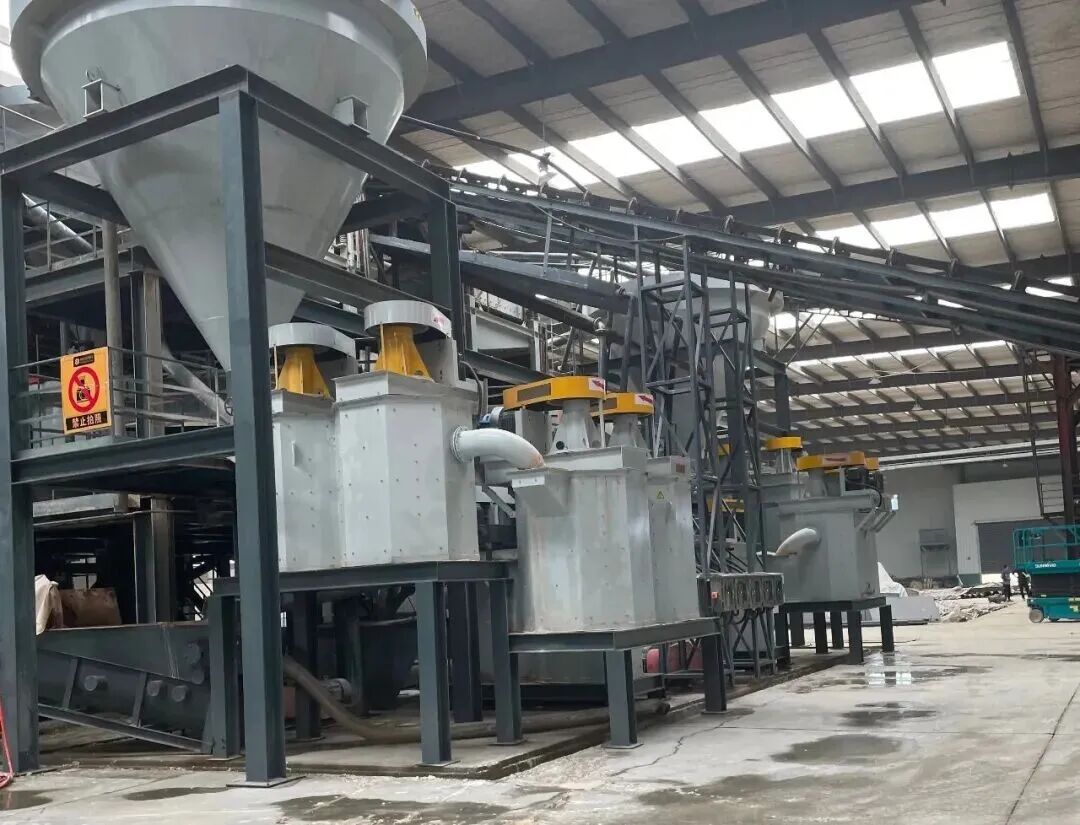
Flotation is a purification process that separates valuable minerals from gangue minerals using flotation reagents, based on differences in the physical and chemical properties of mineral surfaces. In glass sand purification, flotation is mainly used to remove impurities such as feldspar.
By adding appropriate flotation reagents including collectors and frothers, the surface of feldspar becomes hydrophobic and attaches to air bubbles. The bubbles rise to the slurry surface to form a froth layer, while quartz sand remains in the slurry, thus achieving the separation of feldspar and quartz sand.
The flotation process can further improve the purity of quartz sand and meet the requirements of high-quality glass production.