

Common Quality-Influencing Factors of Segregation Issues in Dry Mix Mortar
(1) During loading, pumping into storage tanks, and discharging from storage tanks, ensure a large material volume and high speed to avoid segregation.
(2) Select special-purpose bulk dry mix mortar transport vehicles. Store the dry mix mortar in the tank as fully as possible, and transport it at a uniform and stable speed to prevent segregation.
(3) Maintain no less than 3 tons of dry mix mortar in the on-site bulk mobile silo. This prevents segregation caused by insufficient mortar volume during use, as well as severe segregation due to excessive drop height when pumping mortar into the bulk mobile silo.
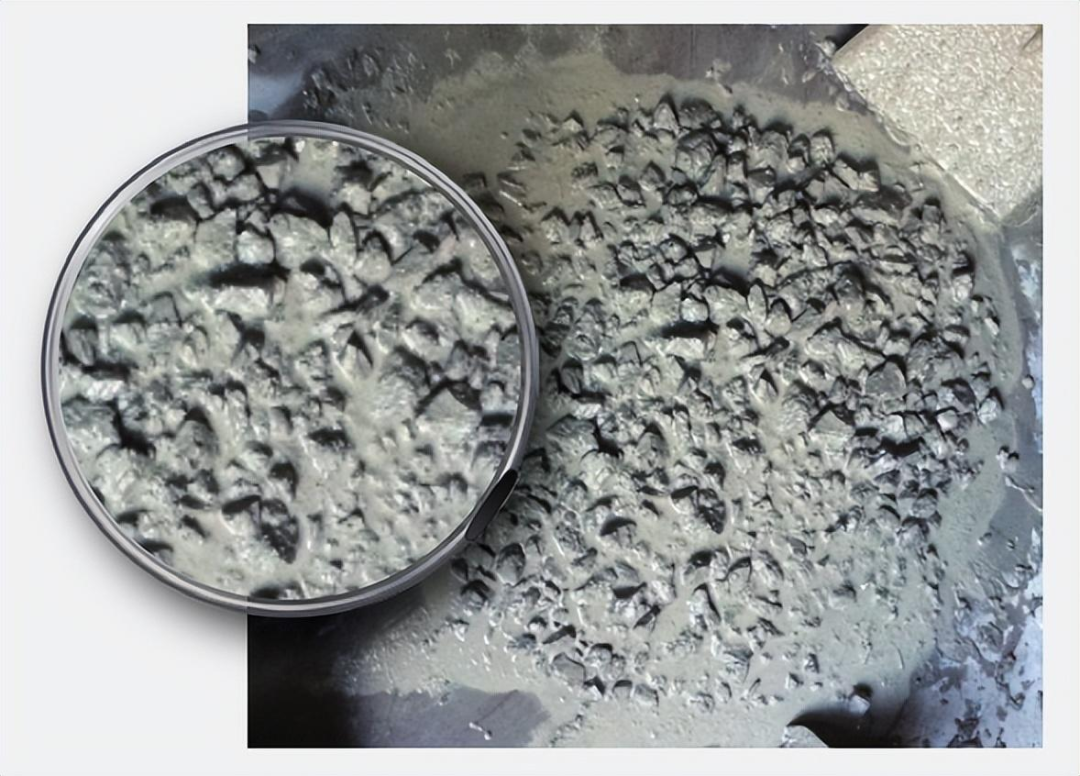
Quality Issues Arising from Dry Mix Mortar
(1) Excessively high mud content or stone powder content in sand, or overly fine sand, can lead to wall cracking. It is necessary to control the mud content and fineness of raw sand, and use medium sand as much as possible.
(2) Adjust the mix ratio according to conditions such as different temperatures and wall materials of various compositions. For example, during plastering on block walls in high-temperature summer, the water retention rate of plastering mortar should be relatively high, reaching 93%–95%; when plastering on porous bricks and red bricks, the water retention rate of plastering mortar should be 89%–93%.
Quality Issues Caused by Construction Units
(1) Plastering too thickly in a single pass during construction can cause mortar cracking. Construction operations must comply with specifications, and the thickness of a single plastering layer should not be excessive.
(2) Plastering construction should not be carried out on substrates or base courses with a lower strength grade than the mortar. If it is absolutely necessary, adopt a layered transition construction method to avoid cracking or hollowing of the plastering layer.
(3) Reinforcing mesh should be used at the joints of different materials to prevent wall cracking.
(4) Before plastering concrete walls, they must be treated with an interface agent and kept moist.
(5) During indoor plastering in high-temperature, windy, and dry seasons, doors and windows should be closed; for outdoor plastering, shading and windproof measures should be taken.
(6) Conduct timely moisture retention and curing after mortar setting to avoid mortar cracking.
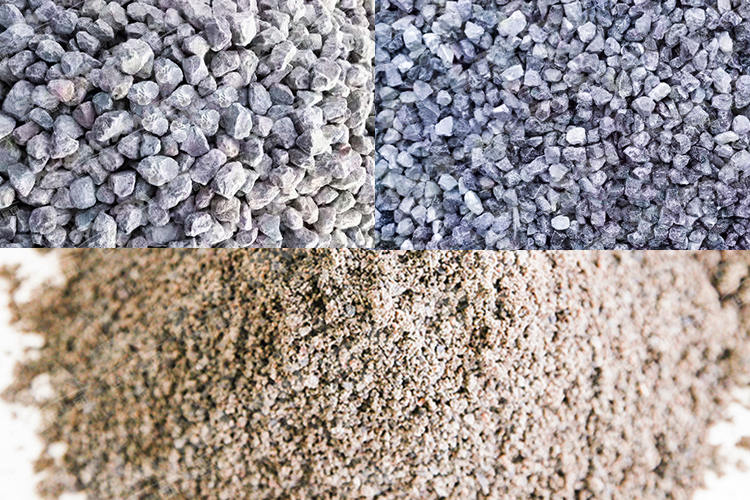
Analysis of Frequently Encountered Problems and Causes in Engineering Applications
◆ Perceived Coarseness of Mortar During Application
For dry mix mortar produced with manufactured sand, the maximum particle size of sand is generally less than 3.5 mm, which is far below the standard-specified 4.75 mm. However, construction workers still perceive the mortar as coarse. In fact, this perceived coarseness is mainly due to the poor workability and application performance of the mortar, which makes large particles more noticeable. The primary cause lies in the poor particle gradation of manufactured sand—usually characterized by a distribution of "more particles at both ends and fewer in the middle". It is necessary to supplement sand with particle sizes in the middle range.
◆ Cracking and Hollowing of Plastering Mortar
Mortar cracking is divided into two types: plastic shrinkage cracking and drying shrinkage cracking.
Plastic shrinkage cracking refers to cracking that occurs before or during mortar hardening. It generally happens in the early hardening stage of dry mix mortar, with relatively wide and short cracks.
Drying shrinkage cracking refers to cracking that occurs after mortar hardening. It usually takes place in the later hardening stage of mortar, featuring thin and long cracks.
Plastic shrinkage cracking is mainly caused by rapid water loss of mortar in the plastic state shortly after plastering, which generates shrinkage stress. When the shrinkage stress exceeds the dry mix mortar's own bonding strength, surface cracks form. It is often related to mortar properties, temperature, ambient humidity, and wind speed. Higher cement content, smaller sand fineness modulus, higher mud content, greater water dosage, and poor water retention of mortar all increase the likelihood of plastic shrinkage cracking.
Drying shrinkage cracking is mainly attributed to the following factors: volume shrinkage caused by high cement content and high strength of dry mix mortar; inadequate curing in the later construction stage; high drying shrinkage value of mortar admixtures or additives; inherent cracking of the wall itself; improper interface treatment; incorrect selection or misuse of mortar strength grade; and excessive difference in elastic modulus between the substrate and the mortar.
Caking and Clumping Phenomenon Causes
(1) The moisture content of sand (a raw material) used by dry mix mortar manufacturers fails to meet standard requirements.
(2) Insufficient mortar mixing time leads to uneven mixing.
(3) Construction enterprises fail to clean dry mix mortar silos and mixers in a timely manner in accordance with construction requirements.