

A dry mortar mixer machine is a specialized mixing equipment designed to blend cement, sand, gravel aggregates, and water into homogeneous mortar mixtures. It is primarily constructed with a mixing drum, feeding and discharging mechanisms, water supply system, prime mover, transmission mechanism, frame, and supporting devices.
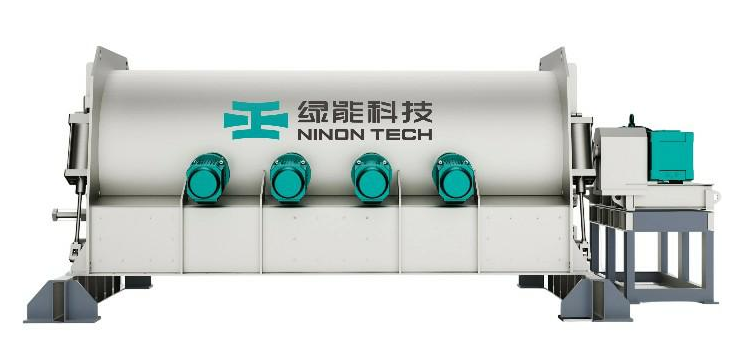
Structureal Features of Mortar Mixer
This dry mortar mixer machine adopts a horizontal cylinder configuration with a distinctive inner and outer double-layer spiral belt structure. It operates smoothly, boasts reliable quality, low noise, extended service life, and easy installation and maintenance. As a versatile mixing equipment, it offers various mixer configurations and finds wide application across different scenarios.
It delivers fast mixing speed and high uniformity. For viscous materials, scrapers can be mounted on the spiral belts, making it more suitable for blending thick and pasty substances. To meet the mixing requirements of different materials (special materials require cleaning after each batch), different spiral belt structures are available, including a jacketed type that enables heating and drying. For special atomized liquids, dedicated nozzles are integrated. The horizontal body can also be fitted with an access door to facilitate user cleaning.
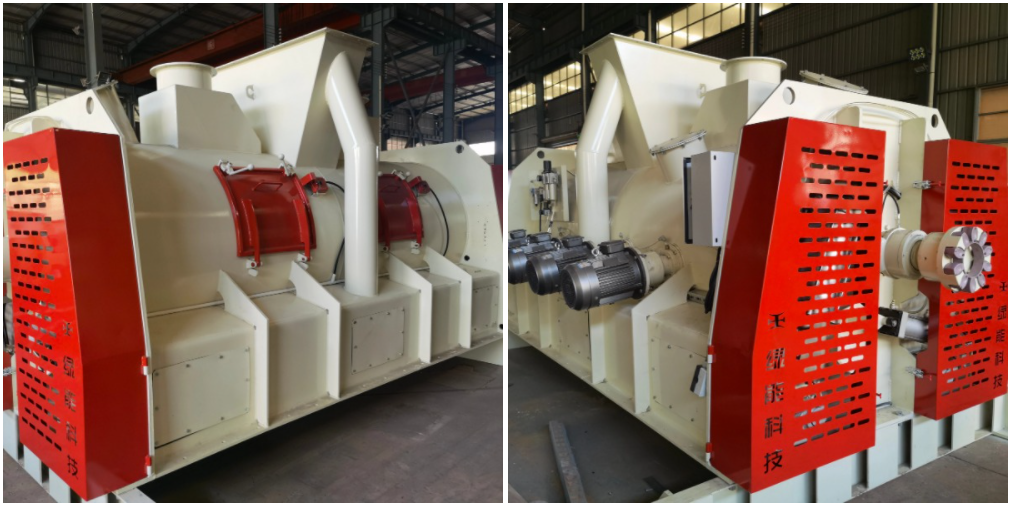
Precautions for Dry Mortar Mixer Machine
The mortar mixer should be installed on flat, solid ground, ensuring stable and firm placement. Traveling wheels must be lifted off the ground, and the base should be elevated a certain distance above the ground to simplify discharging.
Operation of the dry mortar mixing equipment must be assigned to a designated person, who shall perform daily maintenance following the "ten-character work method": cleaning, tightening, lubricating, adjusting, and anti-corrosion. Start the mixing equipment first and add materials only after the mixing equipment runs stably. Add mortar and water concurrently with feeding—never start the mixing equipment after loading all materials at once. All sand must be sieved, and the feeding volume must not exceed the rated capacity.
Before startup:
1. Inspect the insulation, grounding, and leakage protection switch of electrical components for good condition.
2. Verify that all mechanical parts are functioning normally.
3. Check that protective covers for pulleys, gears, etc., are intact.
4. Confirm that retaining strips on the mixing drum are complete.
5. Only start the machine after ensuring all components are in proper order.
When feeding, tools must not strike the mixer blades, and never insert tools into the mixing hopper to scrape materials while the dry mortar mixer machine is running. Prevent large stones, iron blocks, wires, or other debris from entering the hopper; if debris falls in, stop the dry mortar mixer machine and remove the mixing equipment—never reach into the hopper during operation. If the machine becomes blocked, immediately cut off power to troubleshoot; never pry it with shovels, wooden sticks, or other tools without disconnecting power. Ensure the motor is protected from moisture while maintaining adequate ventilation.
Maintenance or repairs are strictly prohibited while the mortar mixer is in operation. After use, thoroughly clean the dry mortar mixer machine to prevent mortar from adhering to the inside and outside of the mixing drum. These safety and technical requirements must be strictly followed when using the dry mix mortar plant equipment.