

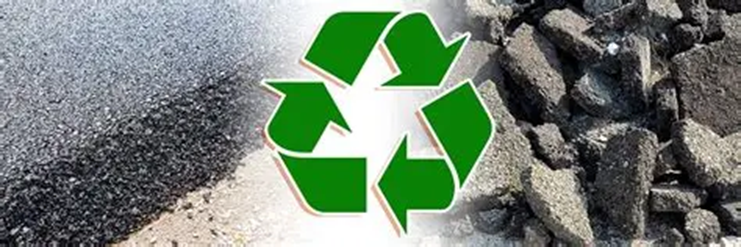
Recycled asphalt, commonly referred to as Recycled Asphalt Pavement (RAP), is produced by reprocessing asphalt materials recovered from road resurfacing, rehabilitation, or reconstruction projects. Instead of being disposed of in landfills, these recycled materials are crushed, screened, and then incorporated into new asphalt mixtures.
This practice is closely aligned with the principles of the circular economy, as it reduces reliance on virgin raw materials while extending the service life of existing infrastructure assets. With sustainability emerging as a strategic priority in the construction and transportation sectors, recycled asphalt is increasingly recognized as a practical and scalable solution.
What is the Current Size of the Recycled Asphalt Market?
According to data from market research firm Research Intelo, the global recycled asphalt market reached a size of $9.8 billion in 2024. The market is projected to grow steadily at a compound annual growth rate (CAGR) of 5.7%, hitting $16.2 billion by 2033.
How is Sustainability Reshaping the Asphalt Industry?
Recycled asphalt can significantly reduce greenhouse gas emissions, minimize construction waste, and lower the demand for natural resources. These environmental benefits make Recycled Asphalt Pavement (RAP) the material of choice for projects committed to reducing carbon footprints and achieving long-term sustainability goals.
How Have Technological Advances Improved Performance?
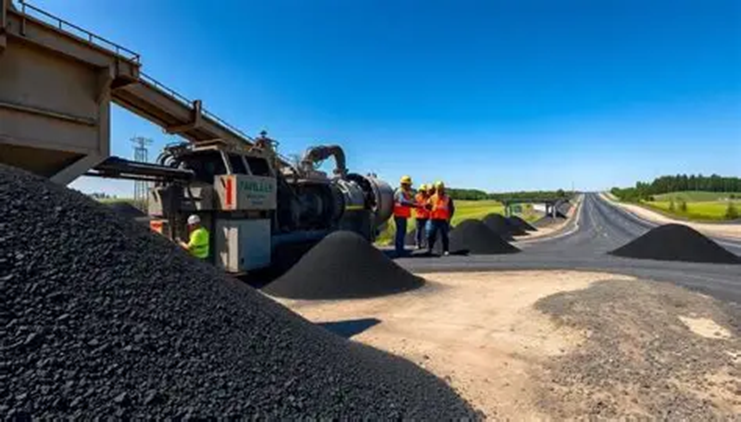
Technological advances have addressed early concerns regarding the durability and consistency of recycled asphalt. Modern recycling technologies, including advanced mixing processes and the use of rejuvenators, have significantly enhanced material performance.
Today, strengthened quality control systems in asphalt recycling plants have enabled a substantial increase in the content of Recycled Asphalt Pavement (RAP) in asphalt mixtures while meeting or even exceeding conventional performance standards. The precision control capability of RAP asphalt aggregate recycling equipment plays a key role in balancing RAP dosage and material performance, laying a solid foundation for its widespread use in infrastructure projects.
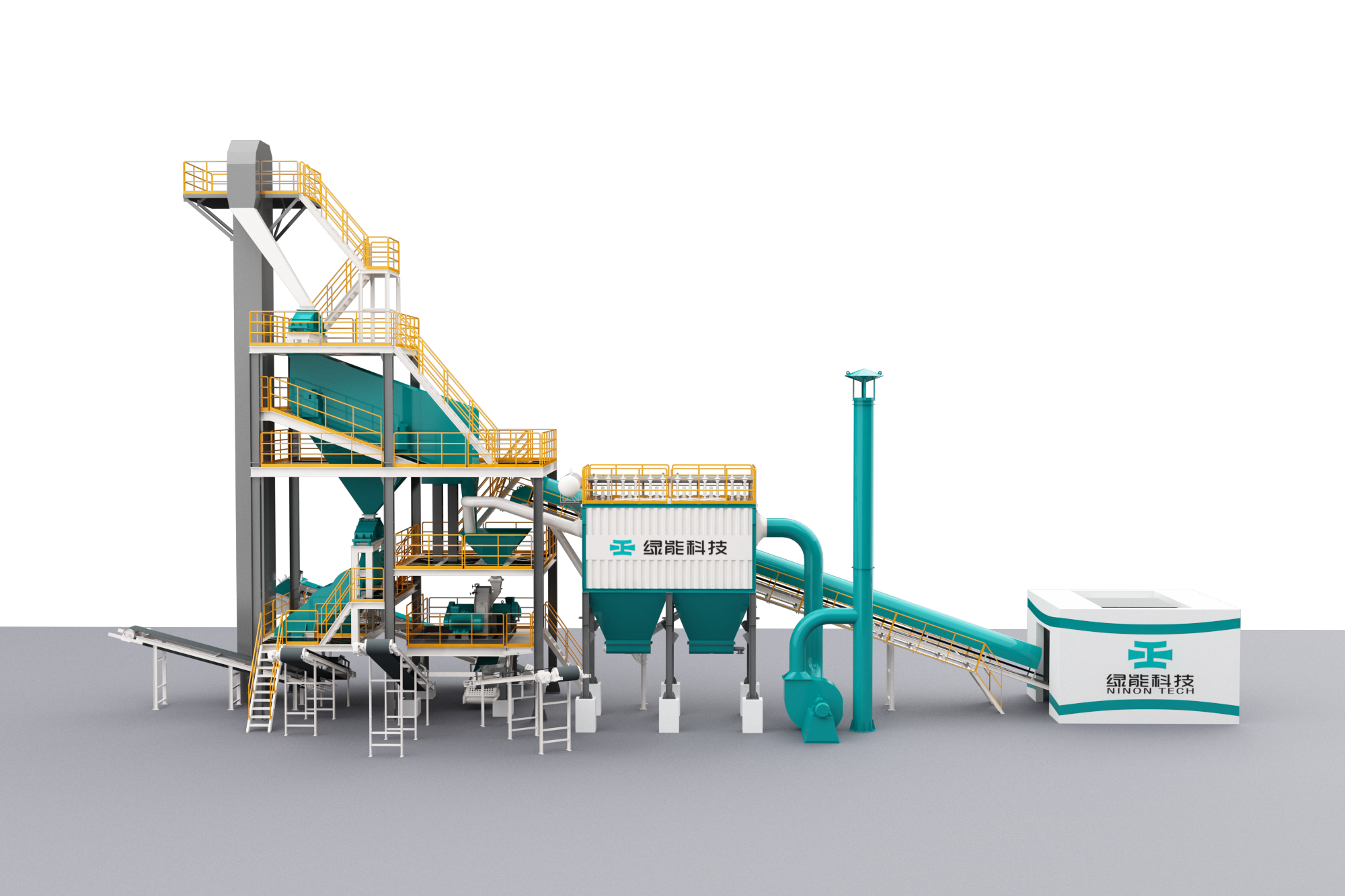
Ninon's RAP asphalt aggregate recycling equipmen adopts a customizable design featuring sieving-before-stripping or stripping-before-classification modes—both of which can be implemented simultaneously as required. This asphalt recycling plant is highly adaptable to different raw material conditions: if the raw RAP materials are of high quality, the asphalt recycling plant can directly conduct dispersion, classification, moderate stripping and removal of partial pseudo-particles to simplify the process and improve efficiency.
This RAP asphalt aggregate recycling equipment significantly reduces the occurrence of pseudo-particle sizes and RAP material variability, effectively addressing and improving the critical issues related to RAP dosage and performance, thus truly achieving the optimal utilization of resources. As a high-performance asphalt recycling plant, it optimizes material processing through refined design, minimizing waste and maximizing the value of recycled materials.
The asphalt recycling plant can separate RAP materials into 2–5 fractions for stockpiling on demand, with typical particle size ranges of 0–3 mm, 3–5 mm, 5–12 mm, 12–16 mm, 16–22 (25) mm. RAP asphalt aggregate recycling equipment applies stringent controls over moisture content and material agglomeration, ensuring the processed RAP materials meet the technical requirements of various engineering scenarios.
This RAP asphalt aggregate recycling equipment is generally applied to the lower and base courses of highways as well as municipal engineering projects. Its core components include a raw material silo, oversized material rejection device, material separation system with magnetic separators, conveying systems, stripping machines, screening machines, dust collection systems and control systems—all integrated to guarantee the stable and efficient operation of the asphalt recycling plant.
Recycled Asphalt Redefies Modern Infrastructure
Recycled asphalt embodies the convergence of economic benefits, environmental responsibility and technological innovation. Its increasingly important role in infrastructure construction underscores a broader shift toward sustainable building materials.