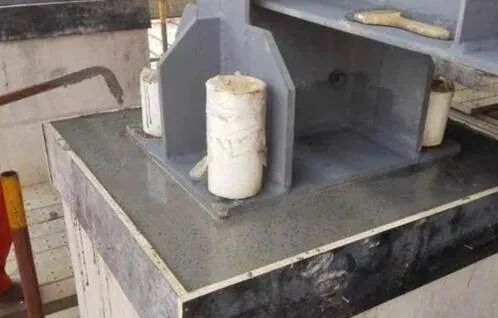

Dry mix mortar is a type of mortar supplied as a commercial product. Commercial mortar refers to mortar that is not batched on-site, but proportioned and mixed centrally in a dry mix mortar plant (also called a ready mix mortar plant). According to production and supply forms, commercial mortar can be divided into ready-mixed (wet) mortar and dry mix mortar, both produced in a ready mix mortar plant.
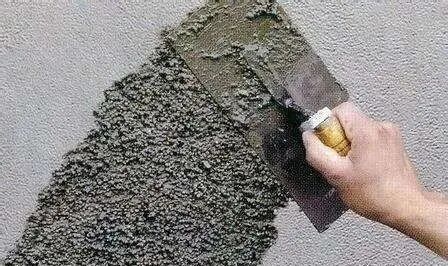
Definitions
● Ready‑mixed Wet Mortar
Ready‑mixed wet mortar refers to a mortar mixture composed of cement, sand, water, fly ash or other admixtures, and additives, which are uniformly mixed in a ready mix mortar plant according to a fixed proportion, transported to the designated site by agitator truck, and used under specified conditions. It is commonly known as ready‑mixed mortar, a key product of any dry mix mortar plant.
● Dry‑mix Mortar
Dry‑mix mortar is a powdery or granular mixture produced by a dry mix mortar plant, consisting of dried and screened fine aggregate, inorganic cementitious materials, mineral admixtures, and other additives blended in fixed proportions. It is mixed with water on the construction site in accordance with instructions before application. It can be supplied in bulk or bags. Dry‑mix mortar is also referred to as dry‑blended mortar, dry mortar, etc., and is mainly manufactured in a ready mix mortar plant.
● Common Dry‑mix Masonry Mortar
Pre‑mixed dry‑mix mortar produced by a ready mix mortar plant (dry mix mortar plant) and used for masonry works.
● Common Dry‑mix Plastering Mortar
Pre‑mixed dry‑mix mortar produced in a dry mix mortar plant and used for plastering works.
● Common Dry‑mix Floor Mortar
Pre‑mixed dry‑mix mortar produced by a ready mix mortar plant and used for building floors and roofs (including roof finishing and screed layers).
● Special Dry‑mix Mortar
Dry‑mix mortar for construction and decoration with special performance requirements, including external insulation finishing mortar, self‑levelling floor mortar, bonding agent, finishing mortar, waterproof mortar, etc., all produced in a dry mix mortar plant. Compared with traditional on‑site proportioning, dry‑mix mortar from a ready mix mortar plant has many advantages such as stable quality, complete varieties, high production efficiency, excellent performance, good workability, and convenient application.
Classification of Dry-mix Mortar
Dry‑mix mortar, mainly produced by a dry mix mortar plant, is mainly classified into two categories: common mortar and special mortar.
Common mortar includes masonry mortar, plastering mortar, floor mortar, etc., all conventional products of a ready mix mortar plant.
Special mortar includes tile adhesive, dry‑mix interface agent, external thermal insulation mortar, self‑levelling mortar, waterproof mortar, repair mortar, interior and exterior wall putty, caulking agent, grouting material, etc., all customized in a dry mix mortar plant.
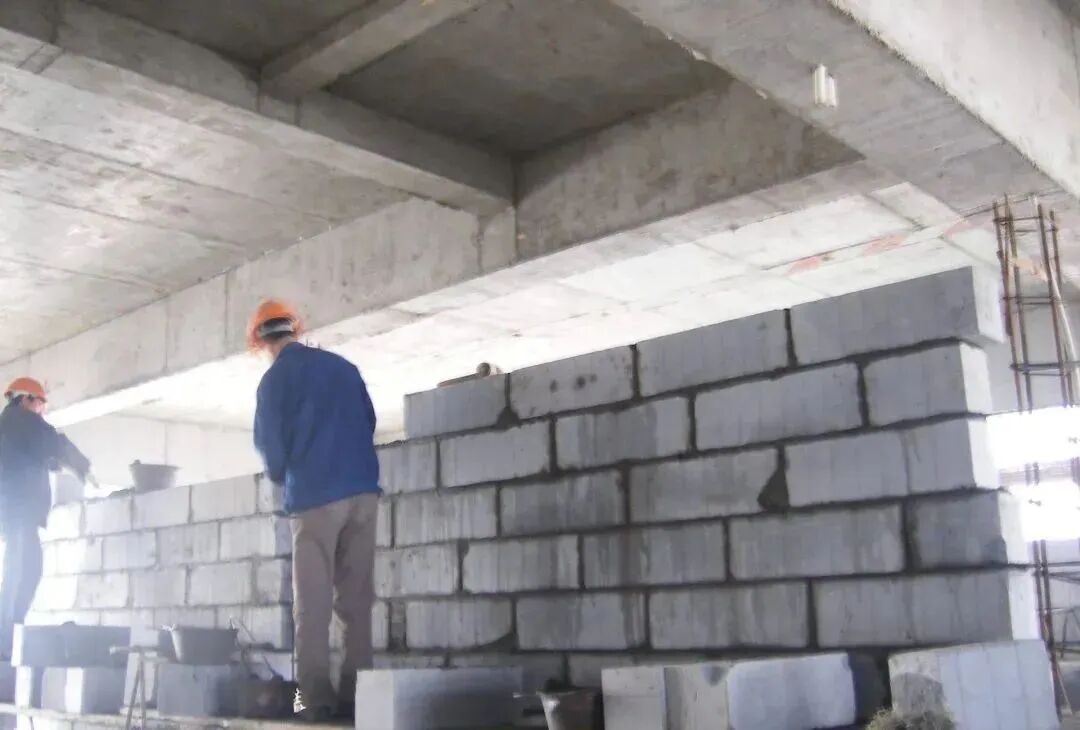
1. Masonry Mortar
Mortar produced by a ready mix mortar plant and used for laying block building materials such as bricks, stones and blocks.
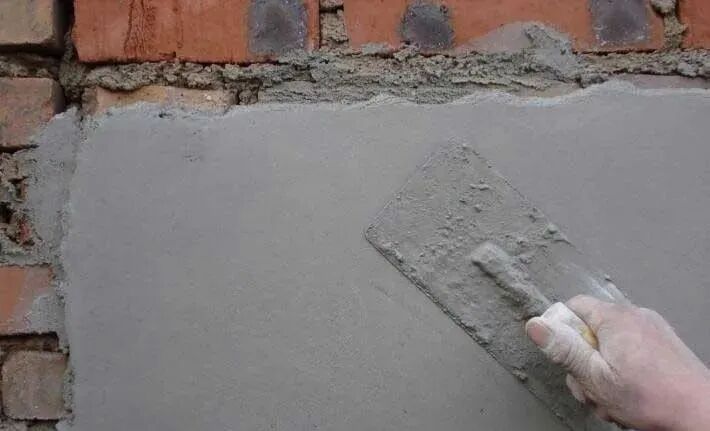
2. Plastering Mortar
Plastering mortar, produced in a dry mix mortar plant, is required to have good workability, easy to apply into a uniform and level thin layer for convenient construction. It shall also have high bonding strength, so that the mortar layer can firmly bond to the base surface without cracking or peeling off during long‑term service. Plastering mortar protects buildings and walls against erosion from wind, rain, snow and other natural environments, improves the durability of buildings, and achieves a smooth, clean and aesthetic appearance.
3. Tile Adhesive
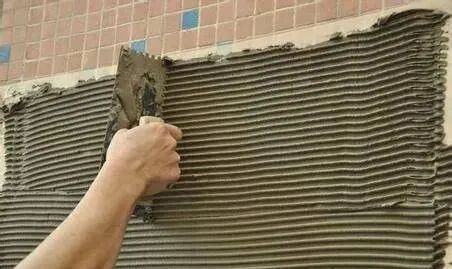
Tile adhesive, also known as tile glue, is a special dry‑mix mortar from a ready mix mortar plant, used for bonding ceramic tiles, polished tiles and natural stones such as granite. Specially designed bonding mortars from a dry mix mortar plant can bond rigid inorganic decorative blocks according to different substrates (e.g. wood board, cement fiber board), facing materials and various extreme climatic conditions (e.g. humidity, temperature variation).
4. Interface Mortar
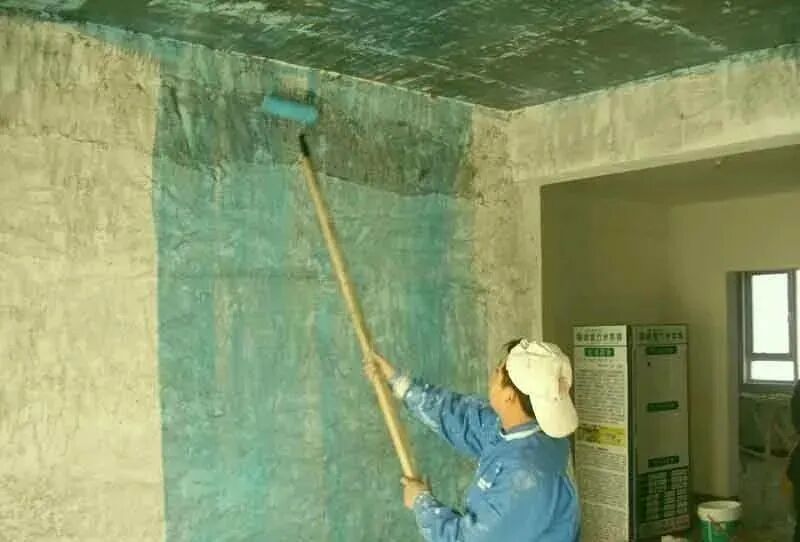
Interface mortar, also called interface treatment agent, is a material with two‑way affinity produced by a dry mix mortar plant, which can firmly bond to the base layer and be strongly bonded by new adhesives on its surface. Interface treatment agents from a ready mix mortar plant are required to enhance the bonding force between two materials in cases such as porous and highly absorbent materials, relatively smooth low‑absorbency materials, non‑porous non‑absorbent materials, and bonding failure caused by cohesion from shrinkage and expansion of subsequent covering materials.
5. External Thermal Insulation Mortar
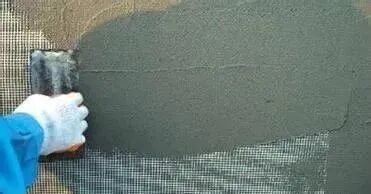
External thermal insulation mortar is a special polymer mortar made in a ready mix mortar plant, using lightweight aggregates with high toughness and excellent anti‑cracking performance (such as polystyrene foam particles, expanded perlite, glazed hollow beads, etc.), combined with high‑quality dry‑mix mortar additives including fibers, cellulose ethers and redispersible polymer powders. It provides thermal insulation, good workability, anti‑cracking property and weather resistance. It is convenient to construct, economical and practical, and meets the requirements of energy‑efficient buildings with characteristics of light weight and heat insulation. Common types from a dry mix mortar plant include polymer bonding mortar and polymer plastering mortar.
6. Self‑levelling Mortar
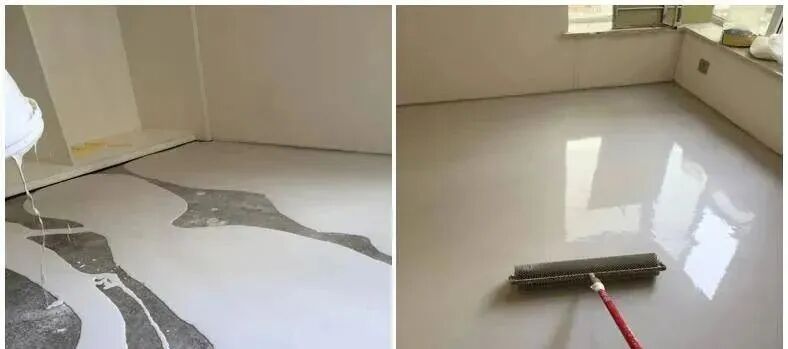
Self‑levelling mortar is a high‑precision levelling material produced by a dry mix mortar plant, applied on uneven bases (such as surfaces to be renovated, mortar layers, etc.) to provide a suitable, level, smooth and strong base for installing various floor materials, e.g. carpet, wood flooring, PVC, tiles, etc. It allows efficient construction even over large areas, a key advantage of products from a ready mix mortar plant.
7. Waterproof Mortar
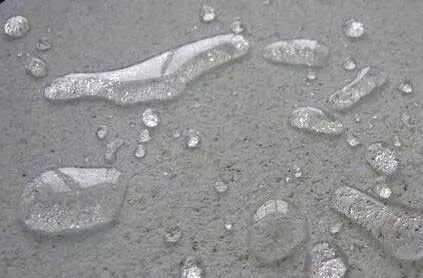
A cement‑based waterproof material mainly composed of cement and fillers, produced in a dry mix mortar plant, which achieves waterproof performance by incorporating polymers, additives, admixtures or special cement. Such materials from a ready mix mortar plant are often referred to as JS composite waterproof coatings in the market.
8. Repair Mortar
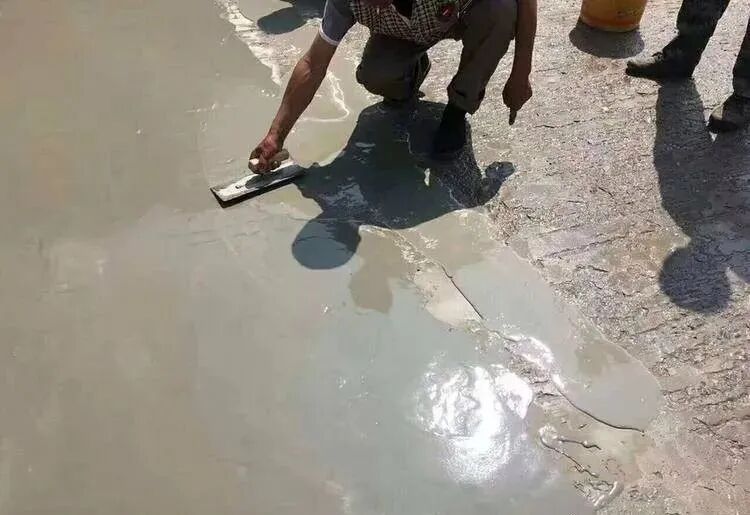
Some repair mortars, made in a ready mix mortar plant, are used for decorative repair of non‑reinforced and non‑load‑bearing concrete purely for aesthetic reasons. Others are used to repair damaged load‑bearing reinforced concrete structures to maintain and re‑establish structural stability and functionality, as part of concrete repair systems from a dry mix mortar plant, applied in the repair and restoration of roads, bridges, parking lots, tunnels, etc.
9. Interior and Exterior Wall Putty
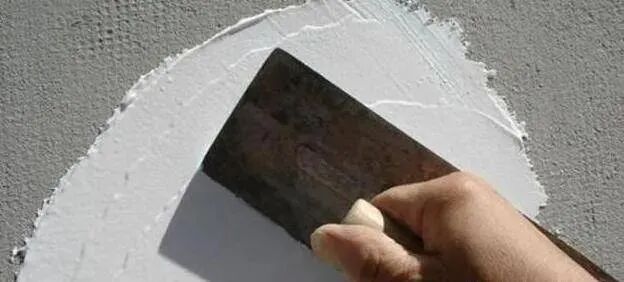
Putty is a thin‑layer levelling mortar produced by a dry mix mortar plant, divided into one‑component and two‑component types. It is an auxiliary material for architectural decorative coatings, used together with latex paints, and is a common product of a ready mix mortar plant.
10. Caulking Agent
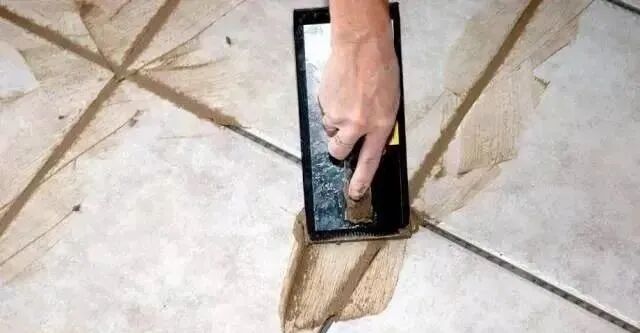
Also known as joint sealant, it is a dry‑mix mortar from a ready mix mortar plant, used to fill the joints between tiles or natural stones, providing an aesthetic surface, bonding between facing tiles and anti‑seepage performance. It protects the tile base layer from mechanical damage and the adverse effects of water penetration, a functional product from a dry mix mortar plant.
11. Grouting Material
Cement‑based grouting material with shrinkage‑compensating function, produced by a dry mix mortar plant. It exhibits slight expansion in both plastic and hardening stages to compensate for shrinkage. It is commonly used for dry shrinkage compensation, early‑strength and high‑strength grouting and repair, forming a high‑strength, dense and impermeable hardened body. It achieves good fluidity at a low water‑cement ratio, facilitating construction, casting and repair works, and is manufactured in a ready mix mortar plant.